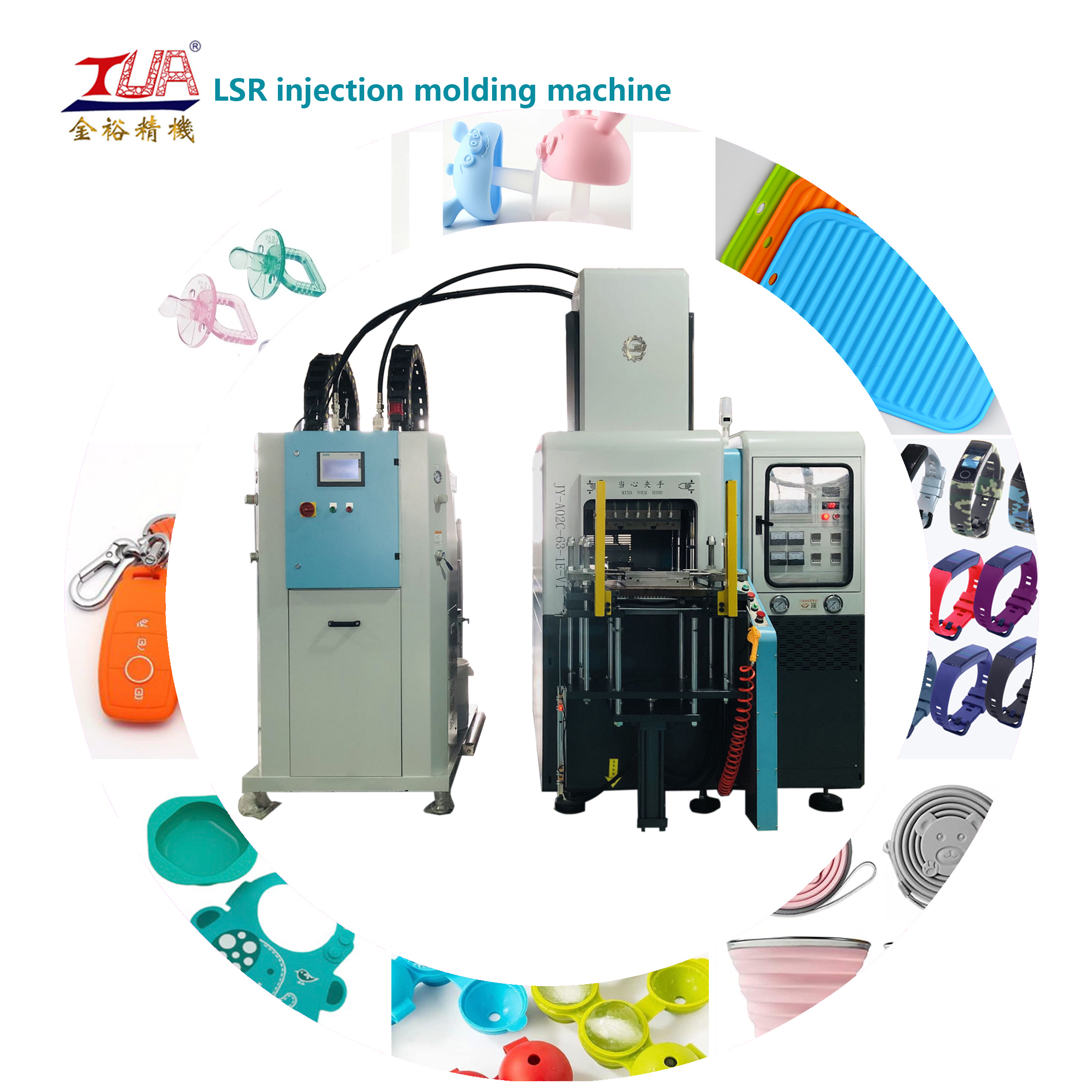
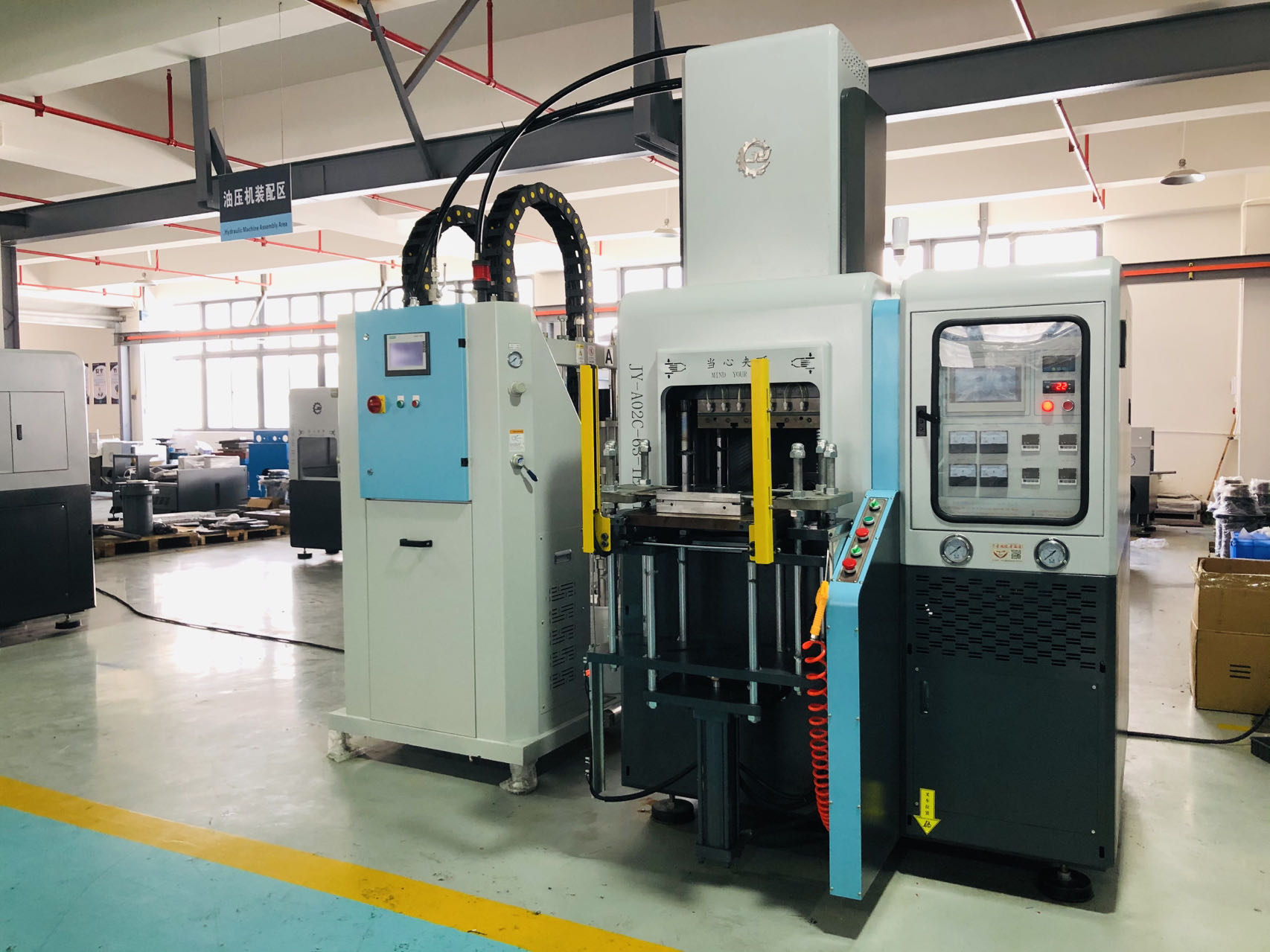
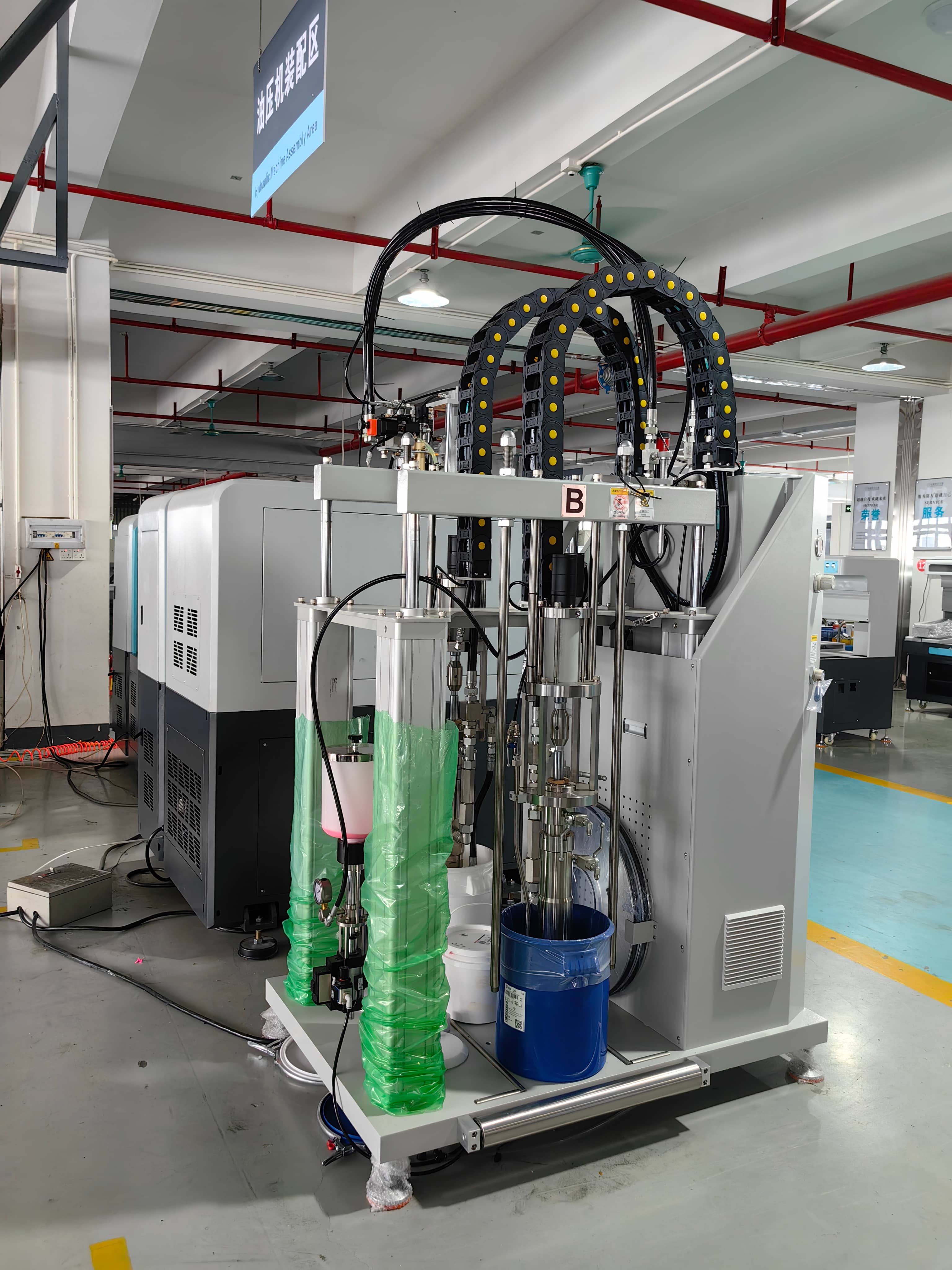
Liquid silicone injection molding machines and liquid silicone injection moulding machines (LSR Silicone Injection Molding Machine)are essentially the same equipment, just referred to differently.
Both names refer to equipment specifically used to process liquid silicone rubber (LSR). Their operating principle is to precisely mix components A and B of the LSR using a metering pump. A screw or plunger then injects the mixed material into the mold cavity, where it is heated to vulcanize and form the silicone. These machines typically feature specialized feeding, injection, and temperature control systems to accommodate the low viscosity and rapid curing properties of LSR.
In the industry, the terms "injection molding machine" and "injection moulding machine" are commonly used. There's no essential difference between the two; both refer to the equipment used in the LSR injection molding process. (Silicone Baby Feeding Set Machine, Baby Production Making Machine, Automatic Silicone Injection Molding Machine, LSR Injection Molding Machine, Silicone Trademark Label Making Machine )
Core Features of Jinyu TUA Brand Liquid Silicone Rubber Injection Molding Machine
With its multi-dimensional structural design and flexible functional adaptation, Jinyu TUA Brand Liquid Silicone Rubber Injection Molding Machine covers diverse production needs. Its core features are organized as follows:
I. Core Structural Composition
The equipment is mainly composed of two core systems to ensure basic production efficiency:
• Molding System: Undertakes the core molding function and supports molding operations of various processes;
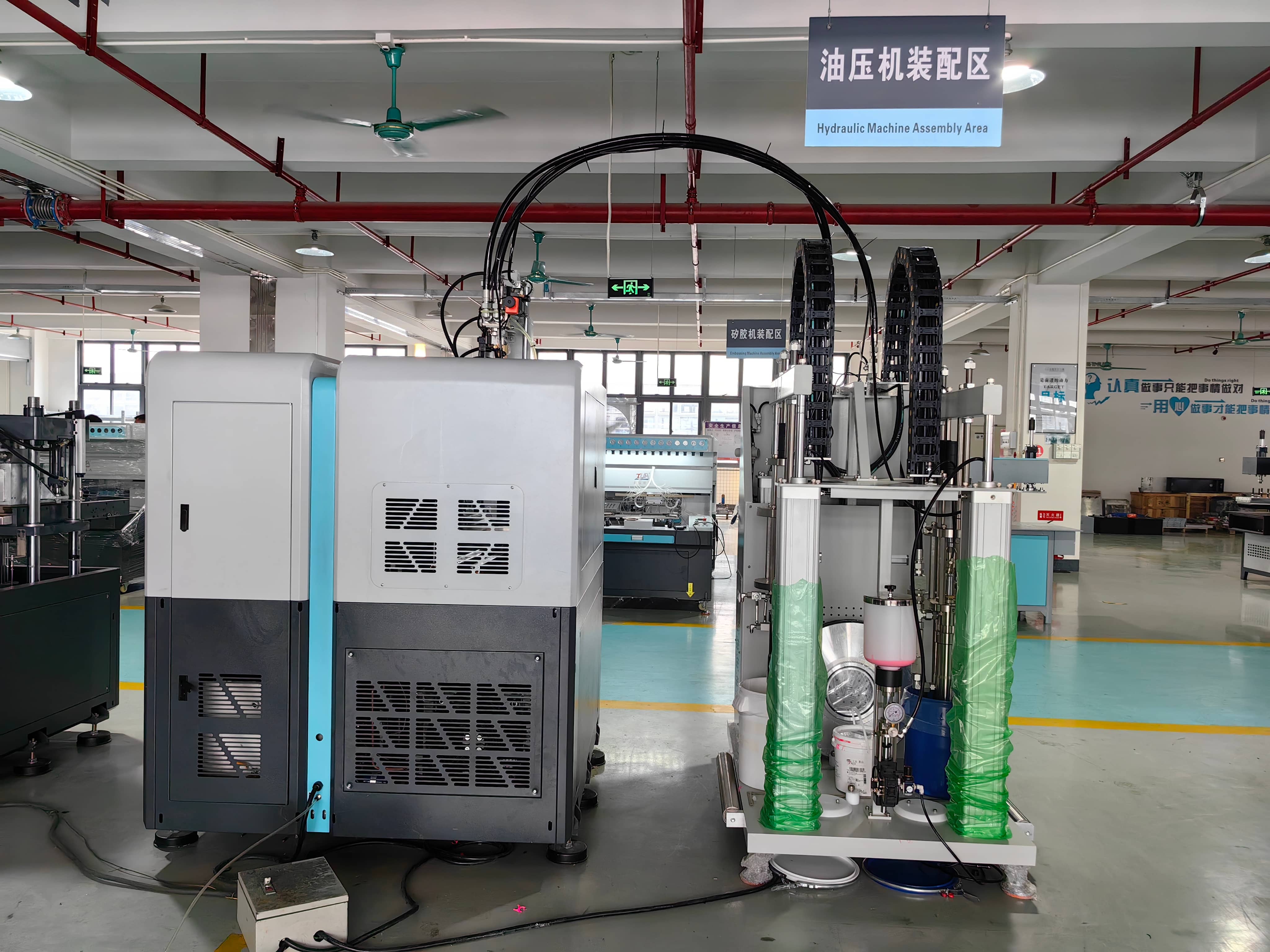
• Feeding System: Precisely conveys liquid silicone raw materials, compatible with single or dual feeding configurations.
II. Key Performance Parameters
| INJECTION UNIT |
|
| Screw Diameter |
Φ25mm |
| Screw Diameter |
Φ35mm |
| Theoretical Injection Volume |
73㎝3 |
| Theoretical Injection Volume |
240㎝3 |
| Injection Weight(PS) |
81g(oz) |
| Injection Weight(PS) |
264g(oz) |
| Max.Injection Pressure |
600Mpa(kgf/cm2) |
| Max.Injection Pressure |
450Mpa(kgf/cm2) |
| Injection Rate |
25cm3/sec |
| Injection Rate |
45cm3/sec |
| Injection Speed |
50mm/s |
| Injection Speed |
50mm/s |
| CLAMPING UNIT |
|
| Clamping Force |
617/(63)kN(tf) |
| Clamping Stroke |
250mm |
| Min.Mold Thickness |
30mm |
| Max.Opening |
270mm |
| Distance Between Tie Bars |
540*300mm |
| Max Mould Size |
400*400mm |
| Ejector Distance |
300mm |
| Ejector Force |
16.6kN(tf) |
| OTHERS |
|
| System Pressure |
13.7(140)Mpa(kgf/cm2) |
| Oil Tank Capacity |
35L |
| Electric Power |
AC380V5.5KW |
| Heater Power |
10.8kw |
| Machine Dimension |
1500*1850*1750mm |
| Machine Weight |
2000kg |
III. Core Functions & Product Adaptability
1. Wide Product Coverage: It can not only process precision small electronic components but also produce larger products such as children's pacifiers and baby nipples;
2. Two-Color Molding Capability: Equipped with two feeding systems, it can realize one-time two-color silicone product molding with a single mold;
3. Multi-Process Compatibility:
◦ Independent Solid Silicone Molding: With the molding interface, the molding system can independently complete solid silicone molding operations;
◦ Multi-Color Product Customization: Combined with dispensing equipment, first use a multi-needle/multi-nozzle dispensing machine to inject logo patterns onto the mold surface, bake until semi-dry, then move the mold directly into the molding system. Through the feeding system, inject liquid silicone into the mold, and finally mold via the molding system to produce multi-color silicone products.
IV. Equipment Protection & Stability Design
Built-in Water Chiller: A water chiller is directly integrated into the molding system, which effectively reduces the internal temperature of the equipment, avoids damage to internal parts caused by high-temperature environments, and ensures long-term stable operation of the equipment.
The solid-to-liquid silicone molding process is a customized silicone molding solution tailored for manufacturers transitioning from solid silicone production to liquid silicone rubber (LSR) molding.
This solid-to-liquid silicone molding machine is mainly composed of two core parts: a conventional silicone compression molding machine (main machine) and a dedicated liquid silicone rubber feeding & injection system. It retains the original compression molding system that provides stable mold clamping, heating and vulcanization pressure, and is equipped with a precision LSR feeding unit as an auxiliary system.
In terms of working process, the LSR feeding system accurately mixes the two-component liquid silicone raw materials in a 1:1 ratio, and directly injects the well-mixed liquid silicone into the closed mold cavity of the compression molding machine. Then, the compression molding system carries out constant temperature heating and pressure maintaining to realize rapid vulcanization and molding of liquid silicone products, and finally the finished products are taken out after mold opening.
Compared with traditional solid silicone compression molding, this process eliminates the tedious manual operations of cutting, weighing and placing solid silicone materials, effectively reduces material waste and product flash, improves production efficiency and product molding accuracy. It is an efficient, cost-effective upgrading solution for enterprises with existing solid silicone molding equipment, which can quickly realize the switching between solid and liquid silicone molding processes and meet the production needs of high-quality silicone products.
Jinyu Machinery's LSR Injection Molding Machine: High precision (0.02g), fast cycle, Siemens control, zero waste, ideal for medical/baby care/automation parts.
Supplementary Notes
1. Terminology Consistency: Adopts industry-universal abbreviations (LSR for Liquid Silicone Rubber) and accurate technical terms (e.g., "water chiller" for 冷水机组, "multi-needle/multi-nozzle" for 多针头多喷头) to meet professional communication needs;
2. Sentence Structure Optimization: Uses concise and logical expressions, suitable for technical manuals, foreign trade promotion materials, or customer communication scenarios.