

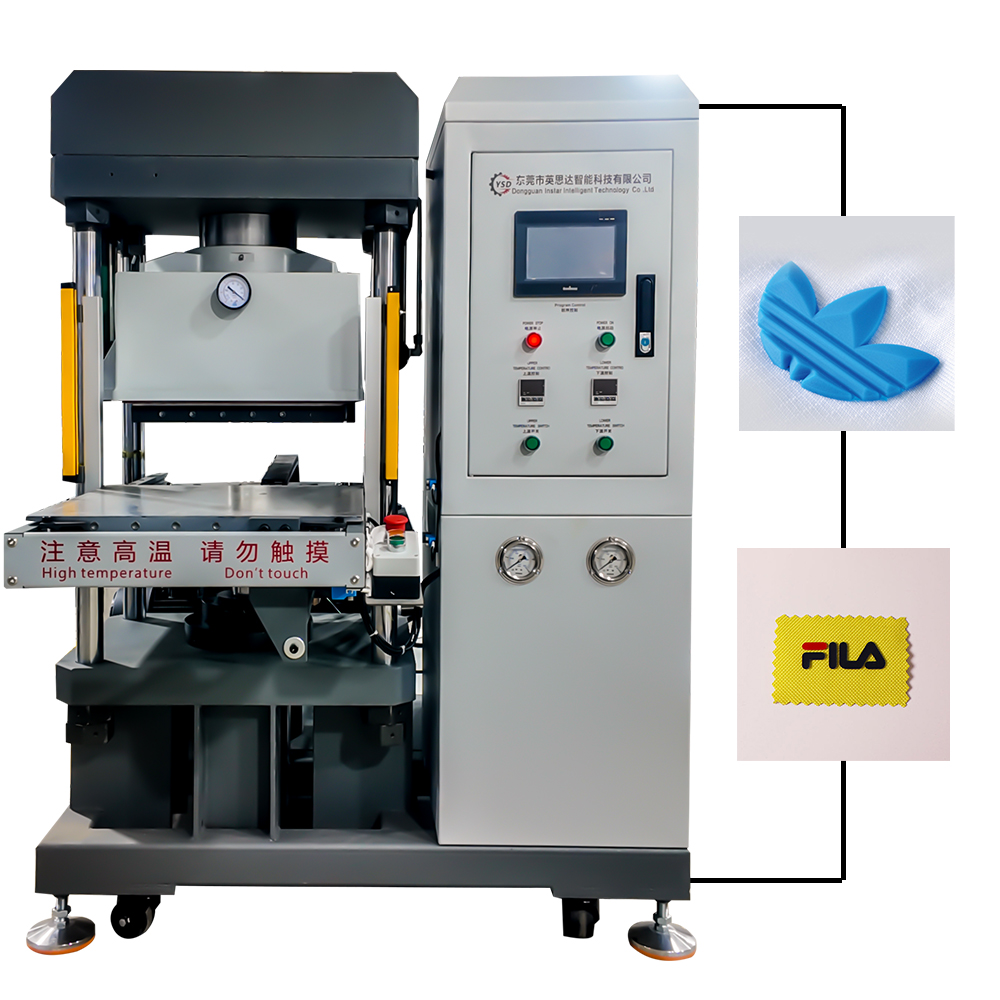
Liquid silicone rubber (LSR) products have become widely used across industries such as electronics, medical devices, baby products, and automotive components. As market demand grows, efficient and stable production technologies become essential. At the center of LSR manufacturing is the liquid silicone rubber molding machine, which enables precise, automated molding of silicone parts.
The first critical step in the LSR workflow is material preparation. Raw silicone must be thoroughly mixed prior to molding to ensure consistent quality. A silicone raw material mixer is typically used at this stage to blend base polymers, colorants, and additives uniformly. Proper mixing minimizes bubbles, hard spots, and color variation—creating a reliable feedstock for downstream processes.
After mixing, accurate metering and placement of LSR into molds is required. Modern production lines use silicon dispensing machines to automate this step. These CNC-driven dispensers deliver precise volumes and repeatable patterns into cavities, supporting multi-shot or multi-material processes where needed. Compared with manual dispensing, these machines reduce labor, improve consistency, and enable complex geometries.
The core molding stage takes place inside the liquid silicone rubber molding machine. This equipment controls temperature and pressure to vulcanize injected LSR into its final shape. LSR systems often operate as a closed, automated loop—from metering and mixing to injection and curing—which reduces contamination risks and makes the technology well-suited for hygienic applications like medical and child-care products.
Parts produced by LSR molding demonstrate excellent elasticity, thermal stability, and resistance to aging and chemicals. These properties make LSR ideal for thin-wall components, seals, gaskets, wearable devices, and transparent or soft-touch parts. With fine process control, manufacturers can achieve high-volume production with consistent dimensional accuracy and surface finish.
When integrated, the silicone raw material mixer, silicon dispensing machines, and liquid silicone rubber molding machine form a complete production chain. This equipment combination boosts throughput, reduces scrap, and lowers labor dependency while maintaining strict quality control. As automation and smart manufacturing continue to advance, these systems will remain central to scalable, high-precision silicone production.
In summary, liquid silicone rubber molding offers a flexible, high-quality solution for many industries. By leveraging advanced mixing, dispensing, and molding equipment, manufacturers can increase speed and reliability while delivering parts that meet exacting performance and hygiene standards.


