
Cable Arm Runout 1900 Precision System
11 month ago
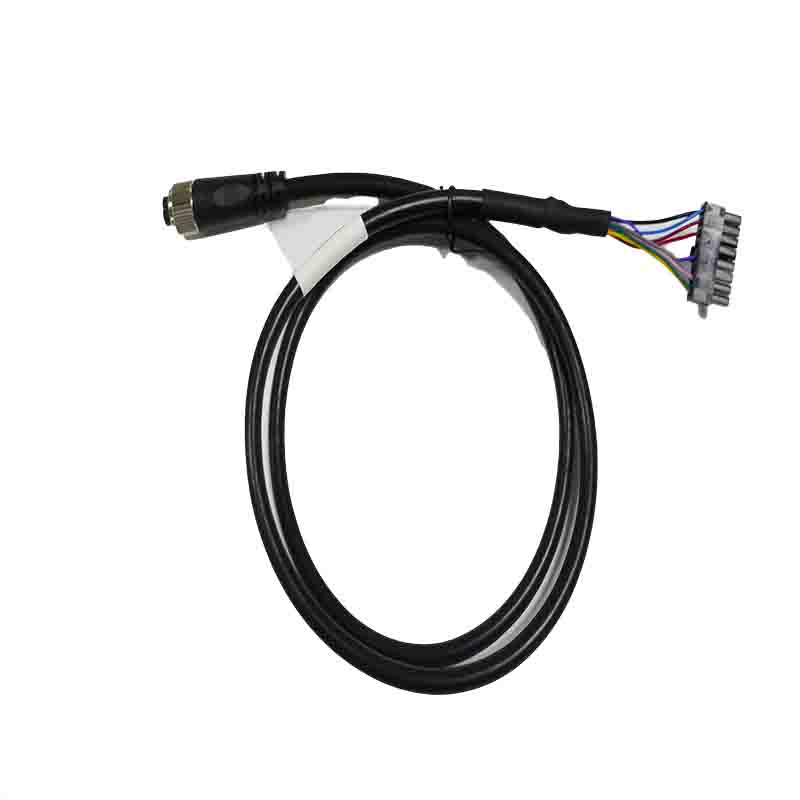
| Item | Details |
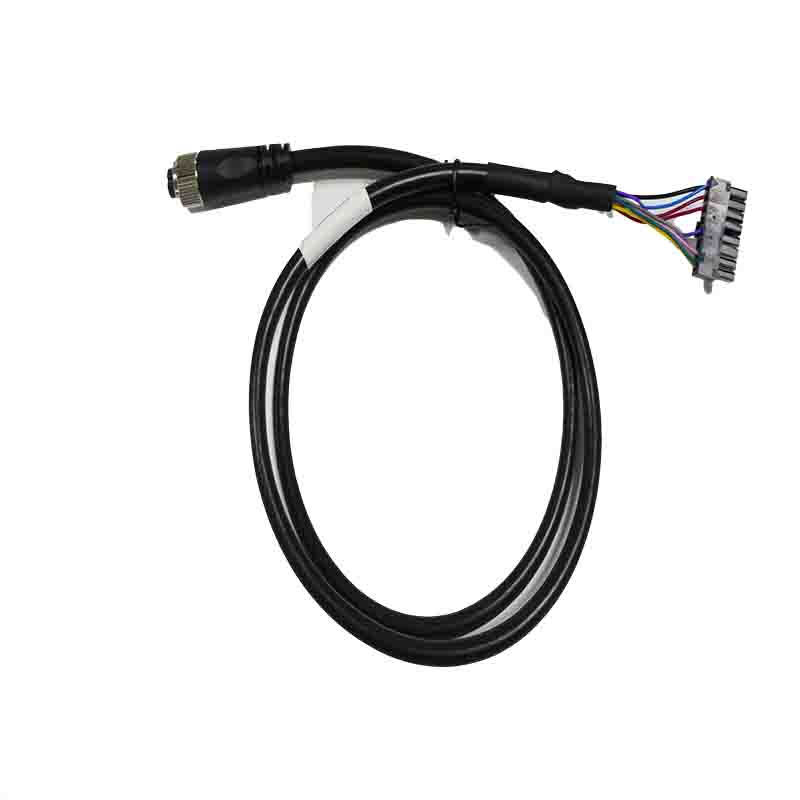
| Product Name | Cable Arm Runout 1900 Precision System |
| Type | Industrial Precision Measurement & Control System Wiring Harness |
| Voltage | 12V / 24V DC, Customized Available |
| Length | 1900±50mm / Customized Length Available |
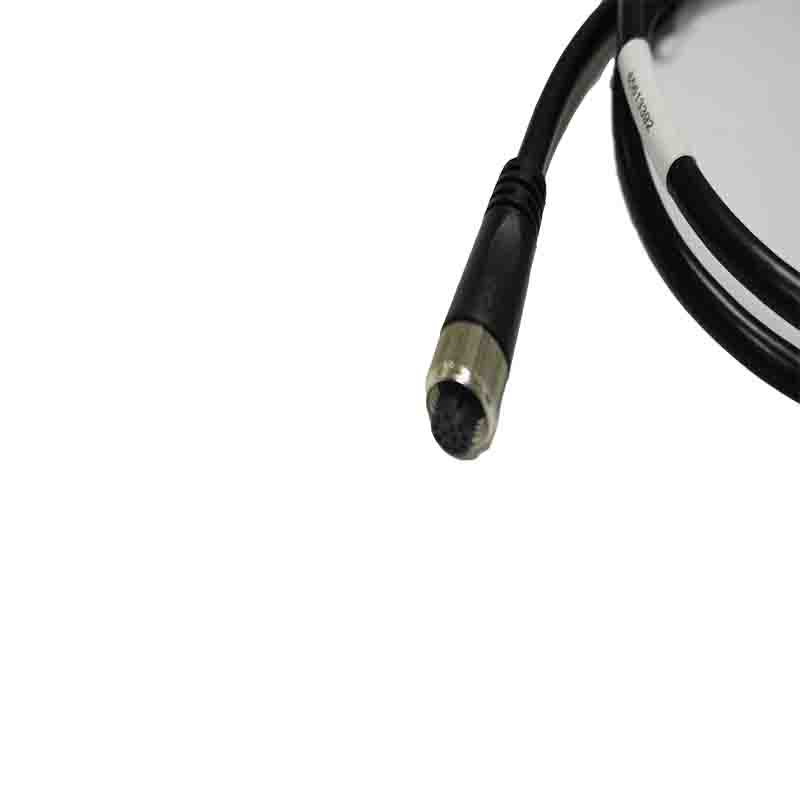
| Pins Material | Nickel-Plated Brass Terminals, Gold-Plating Optional |
| Plug Material | PA66+GF Industrial Grade Connector Housing |
| Minimum Insulation Resistance | ≥10MΩ |
| Maximum Conduction Resistance | ≤2Ω |
| Application Fields | Industrial robotic arm runout precision measurement system wiring, CNC machine tool spindle runout detection equipment connection, precision industrial automation control system signal transmission, mechanical equipment vibration and displacement monitoring system wiring, custom precision measurement instrument wiring harness, industrial test and measurement system stable signal connection, automation equipment internal precision wiring, custom industrial control system wiring projects |
| Working Temperature | -40℃~+105℃ Or Customized |
| Specific Shipping Cost | Please Contact Us |
Similar Video Recommendation


If you are interested in the product, contact Bossgoovideo.com for more information
- *To:
- Shenzhen Fubang Wire harness Co.,Ltd
- *Message:
-
Submit
Main Product:
OBDII CABLE,
Automotive Cable Assembly ,
Automotive Cables,
Automotive Wiring Harness,
Custom Wiring Harness,
Energy Storage Harness