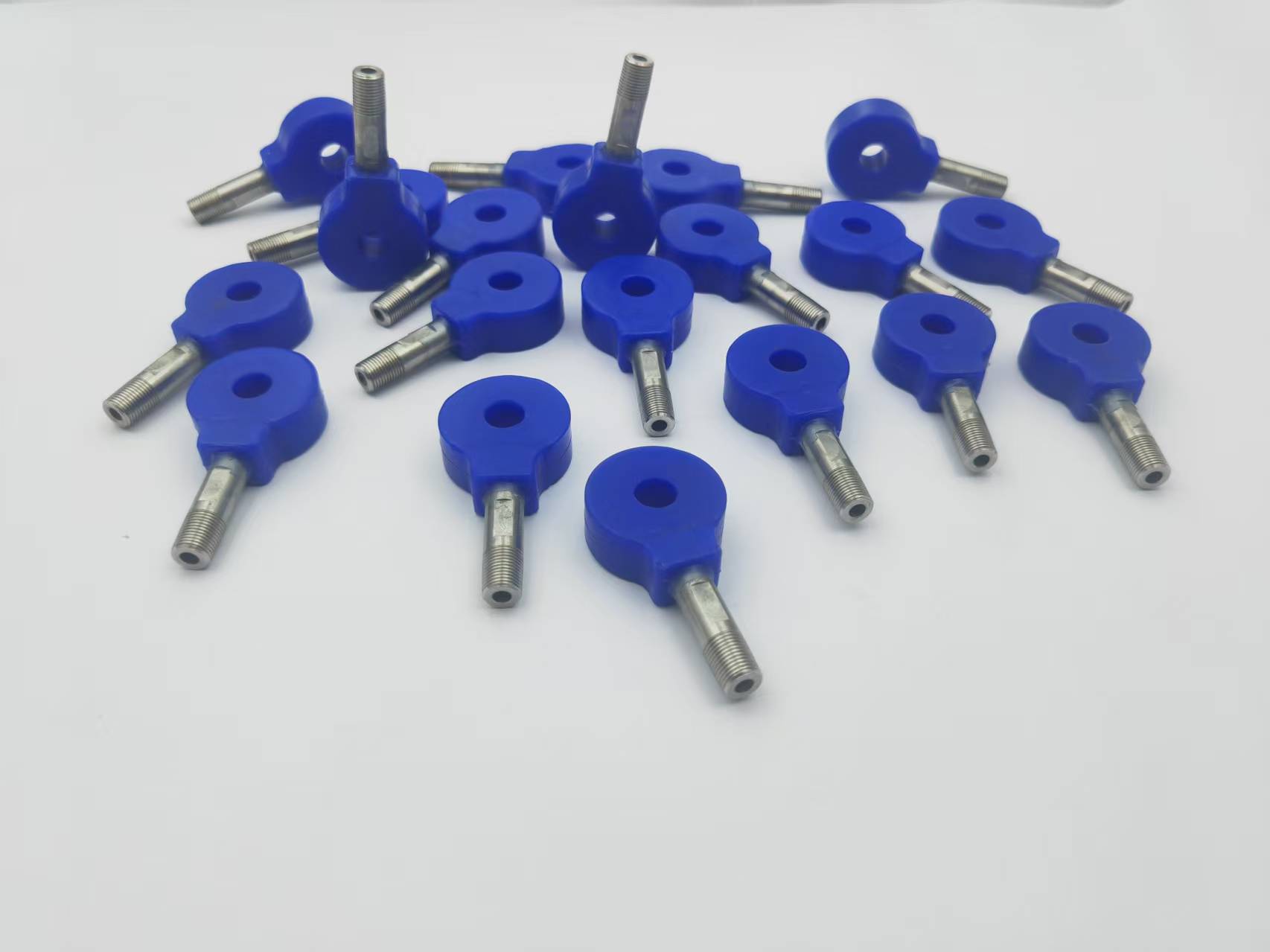
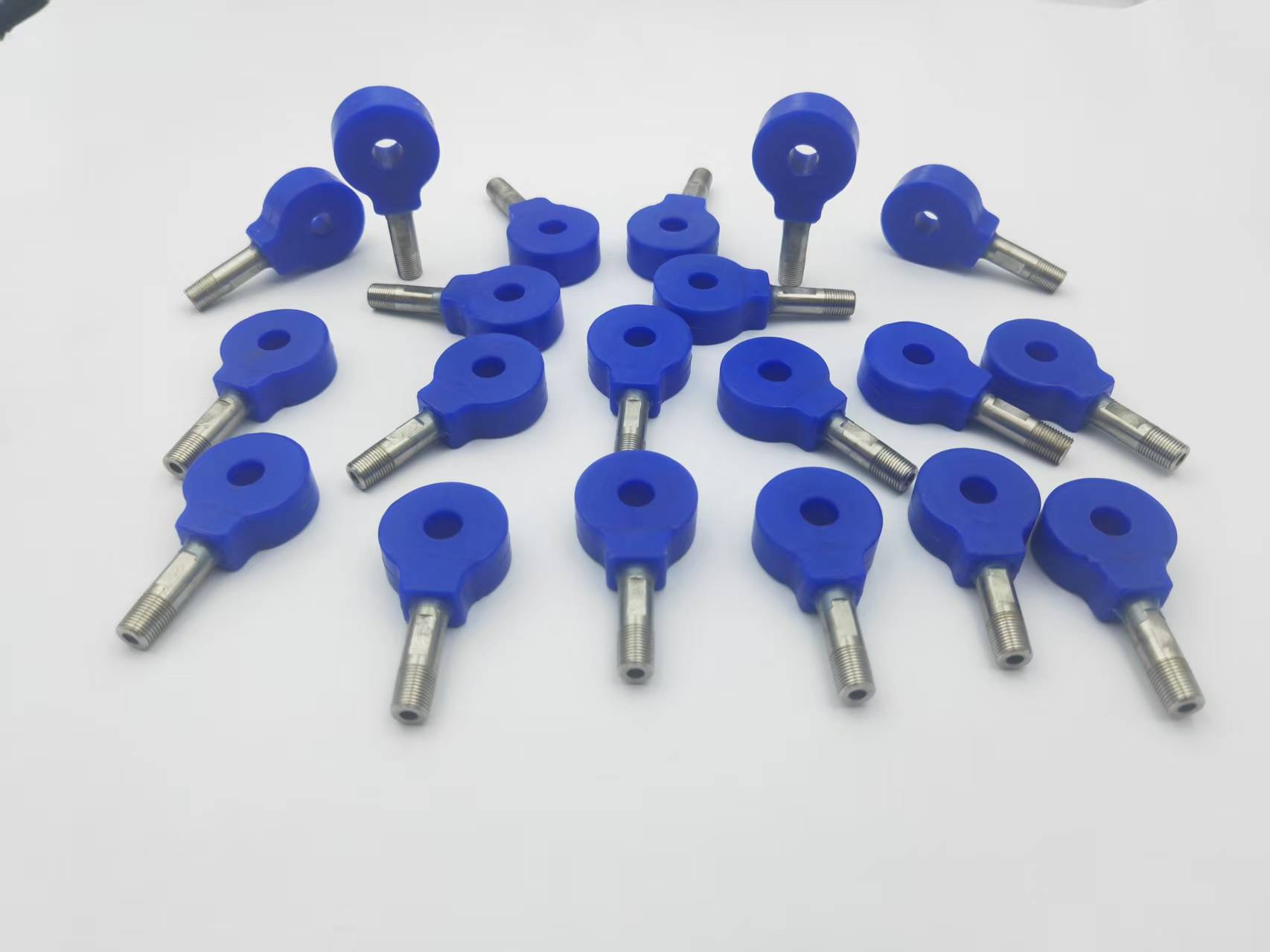
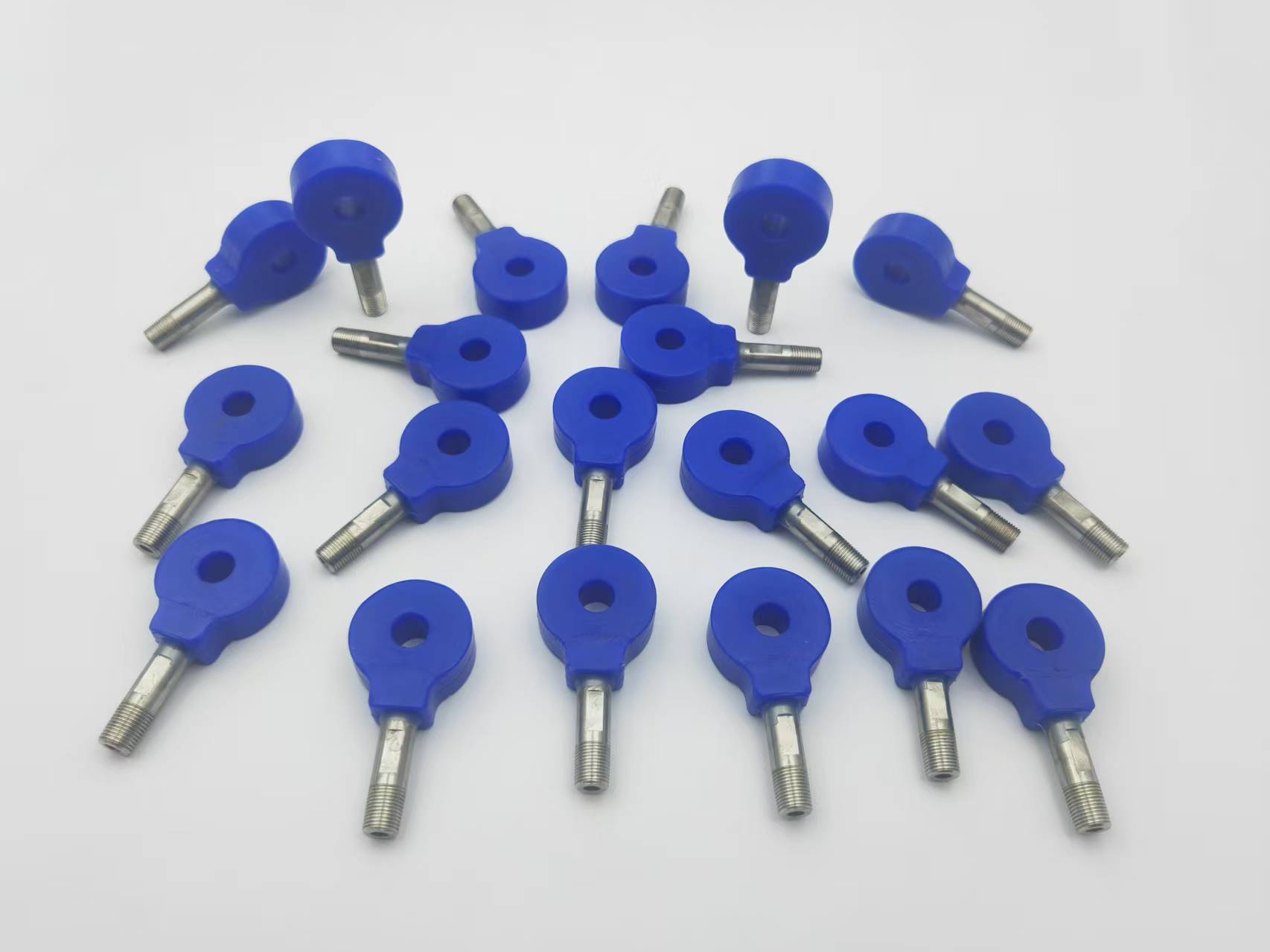
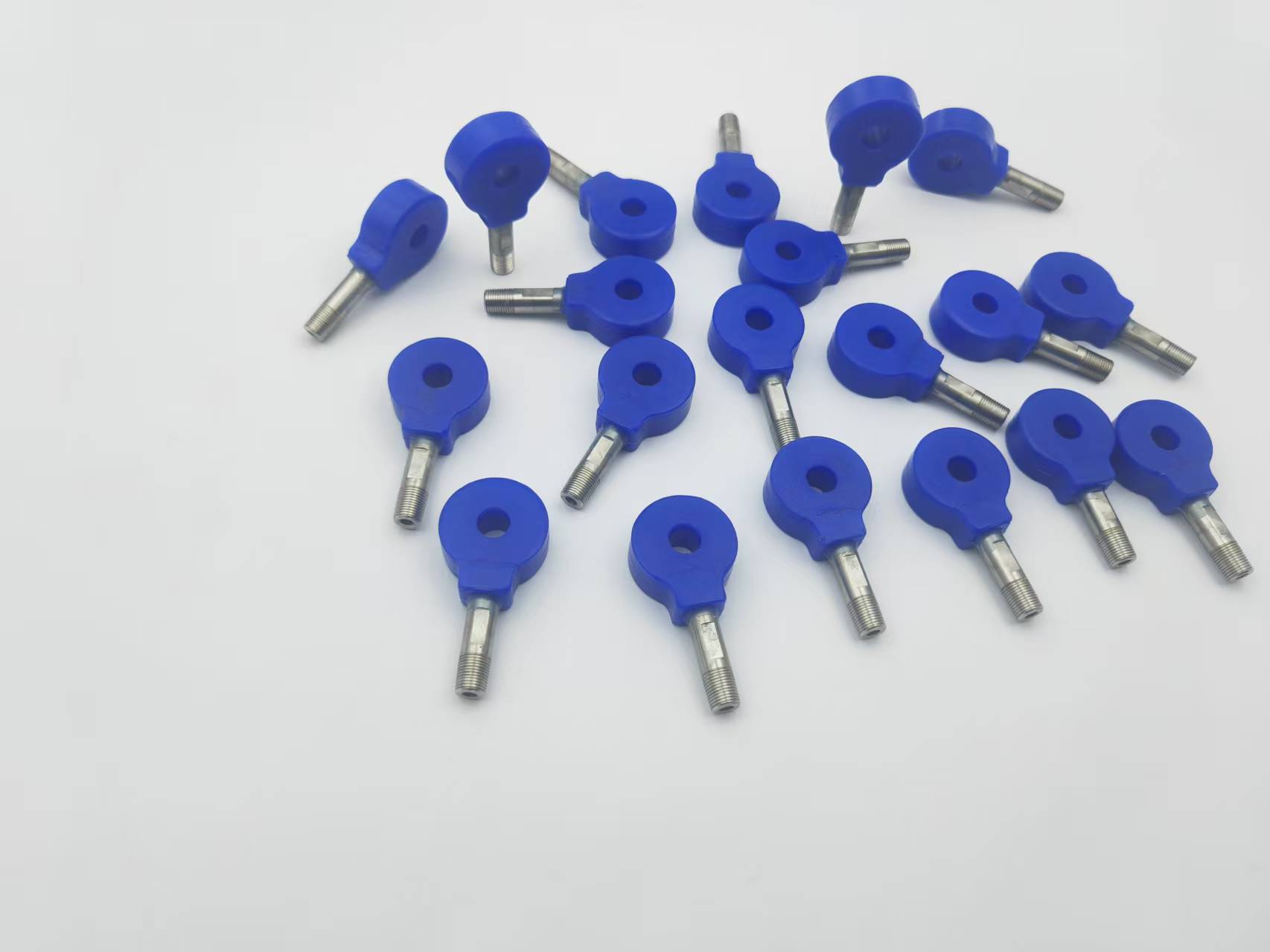
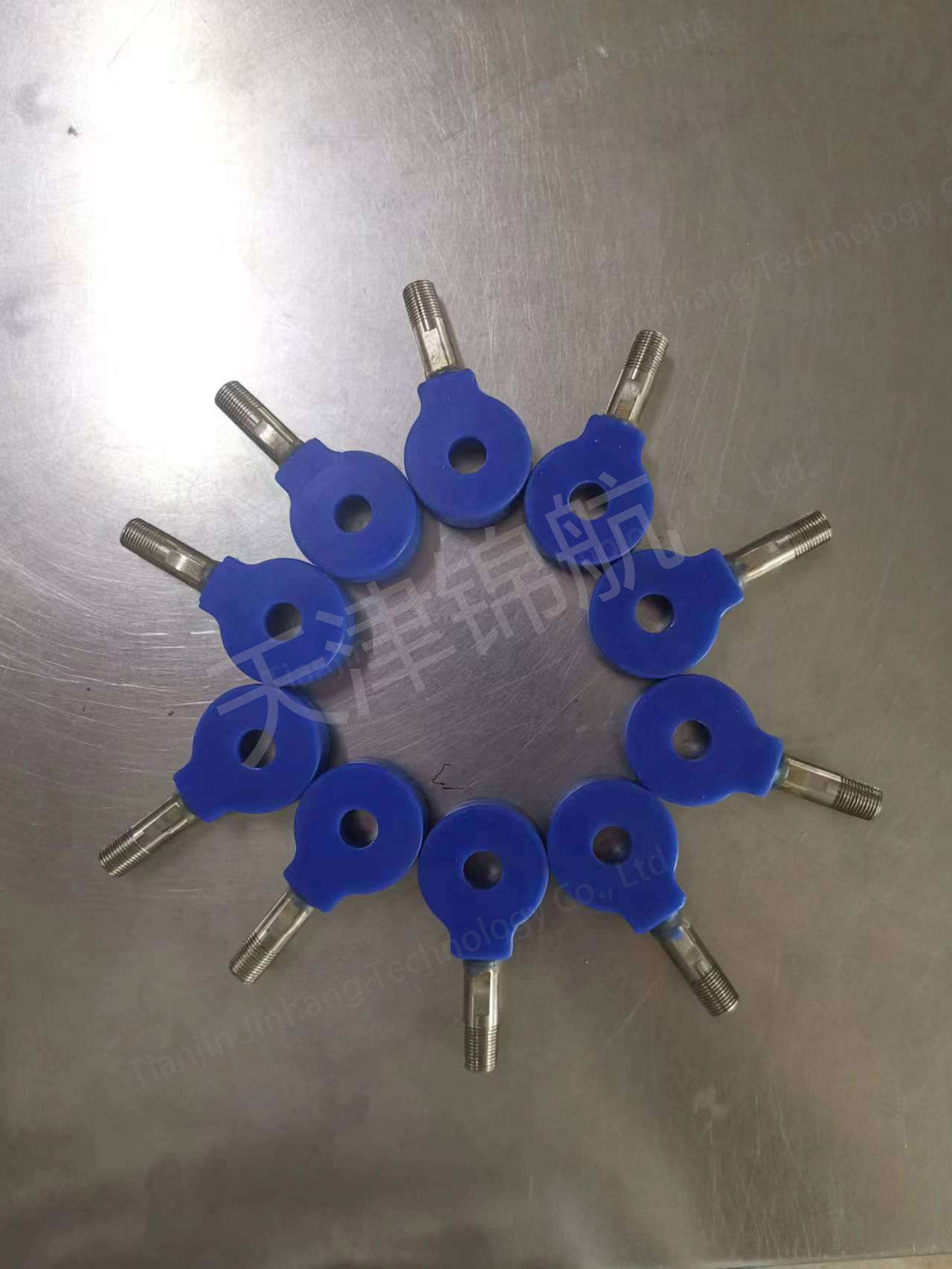
Fluorosilicone rubber (FVMQ), an inflatable gasket, uses a fluorosilicone modified composite material as its base material, integrating the principles of inflation and expansion sealing. It combines the core advantages of fluororubber and silicone rubber, possessing the following characteristics and application areas:
Core Characteristics
1. Wide Temperature Range + Media Resistance: With a temperature range of -60℃ to 250℃, it maintains elasticity even under alternating high and low temperature conditions; resistant to fuels, lubricating oils, weak acids and strong alkalis, organic solvents, etc., the inflatable gasket does not expand or degrade, solving the problem of poor oil resistance of ordinary silicone rubber.
2. Higher Sealing Reliability: The excellent elasticity and low compression set of rubber inflatable seal allow for a tight fit to irregular sealing surfaces after inflation, achieving a seamless seal; it also has excellent resistance to ultraviolet radiation, ozone, and aging, and is not prone to cracking or hardening with long-term use.
3. Safe and adaptable to various applications: Compliant with RoHS and REACH standards, some models are FDA certified, non-toxic and odorless; optional built-in fabric reinforcement layer, pressure resistance up to 1.5-3.0 MPa, preventing bulging and rupture under high pressure.
4. Easy operation and installation: Quick retraction after venting, does not affect stable equipment operation, and minimizes wear; automatically compensates for slight deformation of the sealing surface, eliminating the need for precise size matching, reducing installation and maintenance costs.
Seal inflatable are primarily used in applications requiring high sealing performance and resistance to various media, including:
1. Food/Pharmaceutical Industry: Sealing of aseptic isolation boxes, food filling machines, and autoclaves, meeting FDA and other hygiene standards;
2. Chemical/Industrial Equipment: Sealing of reactors, pipe connections, and powder processing equipment, resistant to weak acids/oils;
3. Aerospace/Automotive Industry: Sealing of doors and fuel system components, adapting to high and low temperatures and oil resistance requirements;
4. Clean/Laboratory Environments: Sealing of glove isolation boxes and biosafety laboratories, blocking dust and microorganisms;
5. Logistics/Warehousing Equipment: Sealing of food canning boxes and cold chain warehouse doors, ensuring environmental stability.