
G11 Plastic Machining | G11 Precision Machined Parts
4 month ago
Strictly speaking, there is no single material designation known as “G11 glass fiber”; the accurate term is G11 epoxy-impregnated glass cloth laminate (NEMA standard designation, corresponding to IEC standard EPGC203). It is a laminated composite material made by impregnating alkali-free glass cloth with epoxy resin and then curing it under high temperature and pressure.
Core Definition and Composition
Essence: A high-performance insulating sheet/tube material, not merely a fiber raw material.
Matrix: Epoxy resin (provides heat resistance and adhesive properties).
Reinforcement: E-glass cloth (provides mechanical strength; not the “G11 fiber” itself).
Standard Designation: G11 in the NEMA LI 1-1990 standard; often corresponds to EPGC203 in IEC standards.
Key Characteristics (Compared to Standard G10/FR-4)
High-Temperature Resistance: A significant advantage; long-term operating temperatures can reach 130°C–155°C (Class F/Class H insulation), with even higher short-term temperature tolerance (some sources mention a maximum of 330°C under extreme conditions); thermal stability is superior to G10.
Mechanical Properties: Possesses extremely high mechanical strength and flexural strength, making it suitable for load-bearing structural components.
Electrical Properties: Maintains excellentdielectric strengthand insulation resistance in both dry and wet conditions, with extremely low water absorption.
Flame Retardancy: Typically meets theUL94 V-0flame retardancy standard.
Main Applications
High-Voltage Electrical Equipment: Insulation bushings for SF6 circuit breaker arc chambers, current transformers, and support components for transformer tap changers.
Industrial Jigs and Fixtures: High-temperature welding jigs, precision test platforms, and wear-resistant reinforcement plates.
Mechanical Equipment: Motor insulation spacers, high-speed rotating components, and corrosion-resistant structural parts.
Clarification of Common Misconceptions
G11 is not a fiber type: Glass fibers themselves are classified as E-glass, S-glass, etc.; G11 refers to the grade of the final composite panel.
Differences from G10: The primary improvement in G11 lies in the resin system, resulting in significantly higher heat resistance and mechanical property retention at high temperatures compared to G10 (G10 typically uses phenolic or standard epoxy resins, which have slightly lower heat resistance).
If you need to purchase or process these materials, please search for the keywords: “G11 epoxy board,” “EPGC203 laminate,” or “high-temperature-resistant epoxy glass cloth board.”
Cutting Processes:
Common cutting tools include diamond cutting saws and laser cutting machines. Diamond cutting saws are suitable for large-scale production, offering relatively fast cutting speeds, though the cut edges may be somewhat rough. Laser cutting machines, on the other hand, enable high-precision cutting with smooth edges and no heat-affected zone, making them ideal for applications requiring high cutting accuracy, such as component processing in the electronics and aerospace industries. During the cutting process, appropriate cutting speeds and feed rates must be selected based on the panel’s thickness and dimensions to ensure cutting quality and tool life.
Drilling Process:
Twist drills are generally used for drilling. To improve drilling quality and efficiency, a small-diameter drill bit can be used to pre-drill pilot holes, followed by a larger-diameter drill bit for reaming. During drilling, care must be taken to control the drilling speed and feed rate to prevent drill bit overheating and damage or panel fracture. For thicker G11 fiberglass panels, a multi-pass drilling method can be employed to reduce the load on the drill bit and minimize heat generation.
Milling Process:
Milling can be used for flat milling, contour milling, and other operations on G11 fiberglass panels. Due to the high hardness of fiberglass panels, sharp milling cutters should be selected for milling, and appropriate cutting parameters should be used, such as lower cutting speeds, higher feed rates, and shallower cutting depths, to minimize tool wear and surface roughness. At the same time, attention should be paid to cooling and lubrication to reduce cutting temperatures and improve machining quality.
Sanding Process:
Sanding is primarily used to remove defects such as burrs, flash, and scratches from the board surface, thereby improving surface flatness and finish. Common sanding tools include sandpaper and belt sanders. When sanding, select the appropriate sandpaper or sanding belt based on surface roughness requirements, gradually progressing from coarse to fine grit to avoid surface damage caused by excessive sanding. During the sanding process, ensure that the sandpaper or sanding belt remains flat and clean to prevent localized overheating or uneven wear.
Bonding Process:
G11 fiberglass panels possess excellent bonding properties and can be laminated or assembled with other materials using adhesives. Commonly used adhesives include epoxy resins and acrylic adhesives. During the bonding process, ensure that the bonding surfaces are clean and dry, apply the adhesive evenly, and apply appropriate pressure and curing temperature to ensure bonding strength and quality.
In addition, other processing techniques, such as engraving and stamping, can be performed according to specific requirements. When processing G11 fiberglass panels, select appropriate processing equipment and tools based on the specific processing requirements, and strictly control processing parameters to ensure processing quality and product performance.
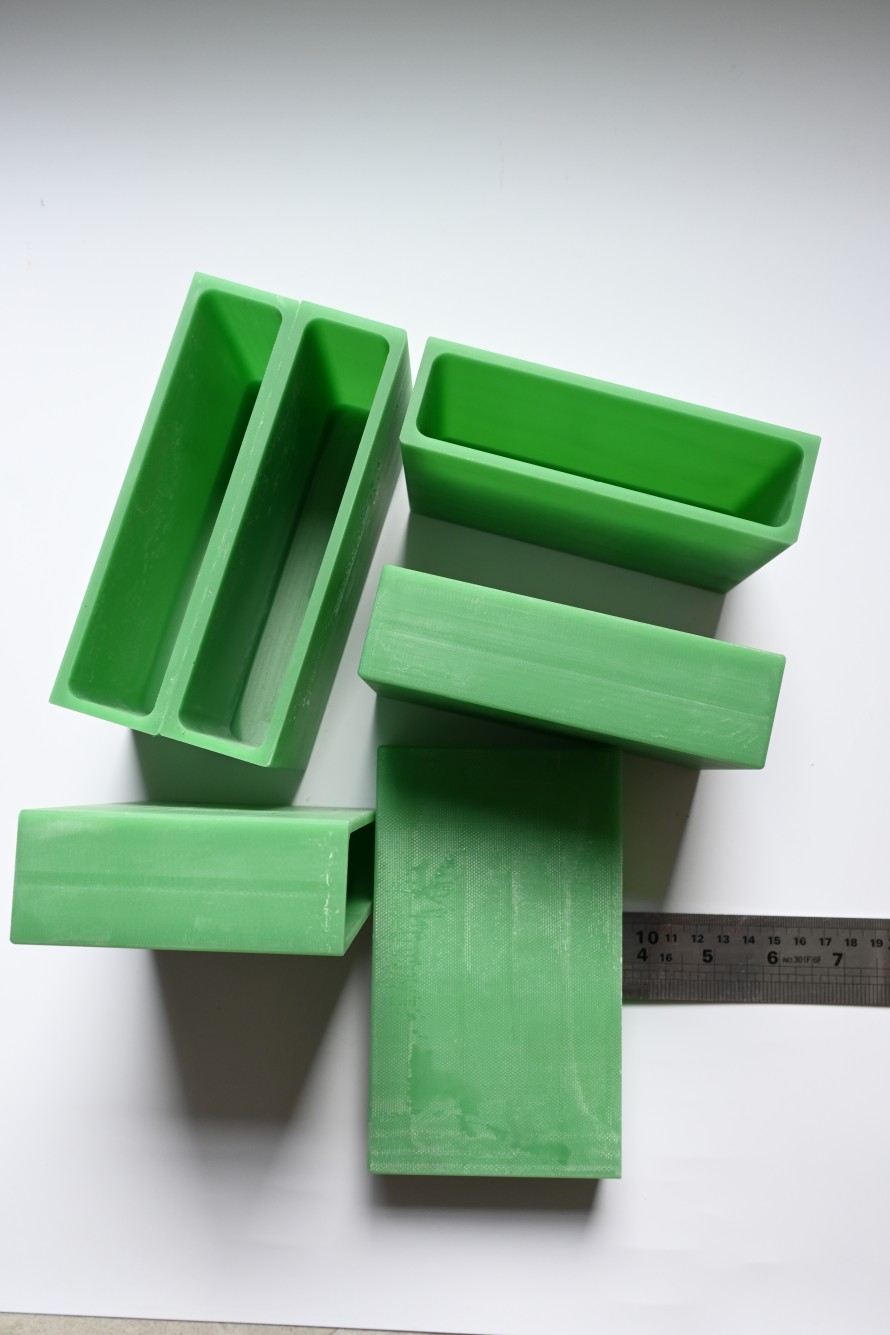
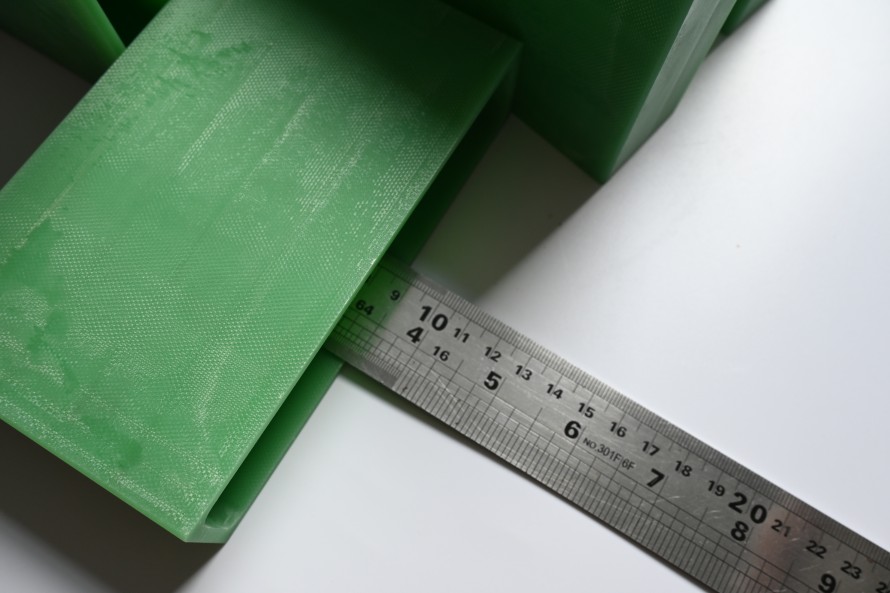
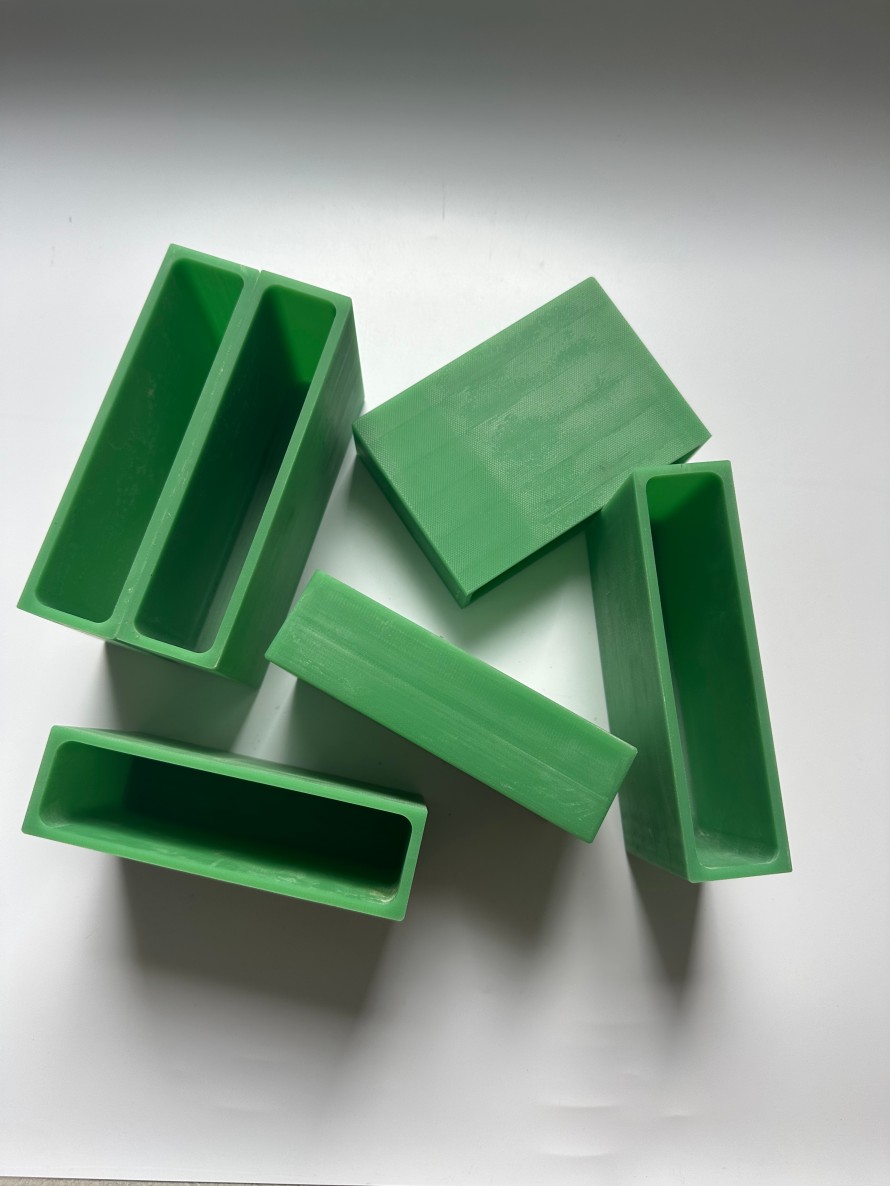
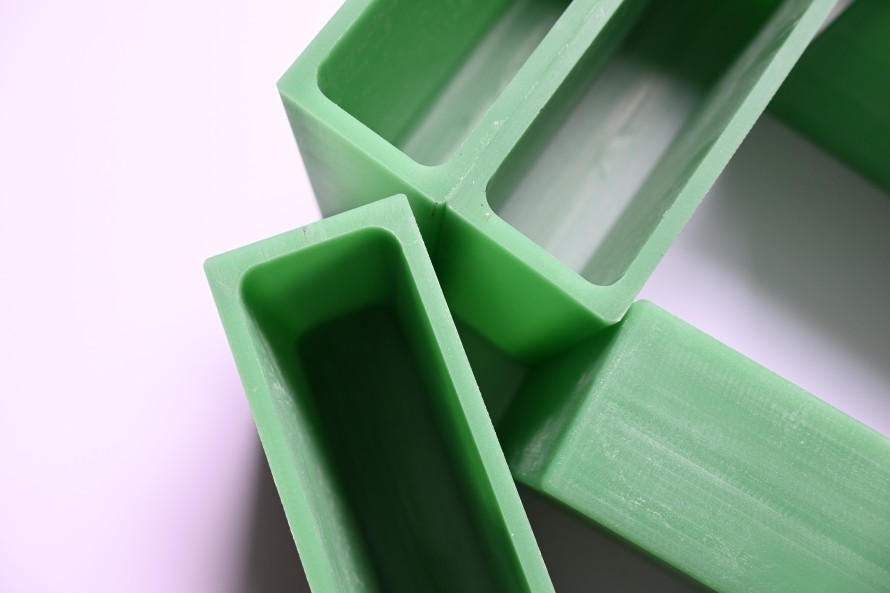
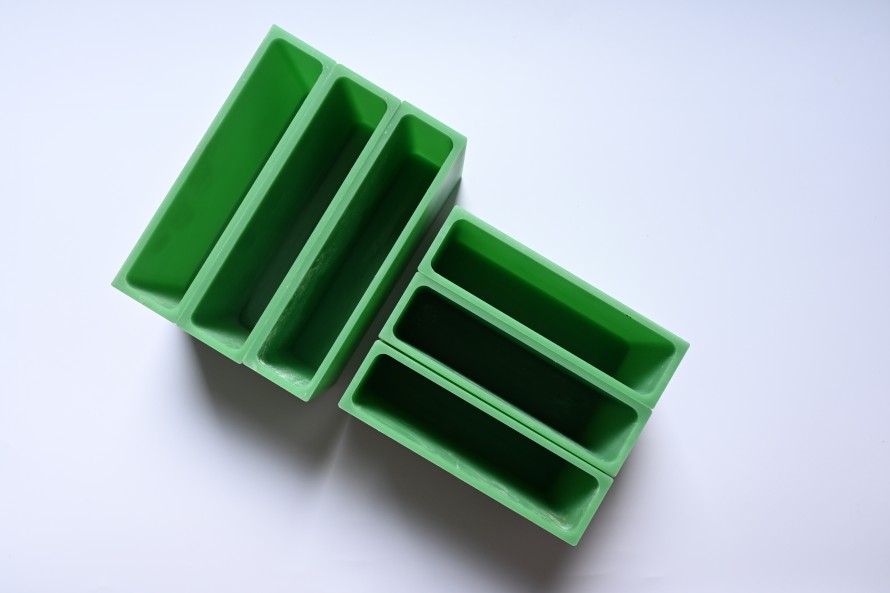
Similar Video Recommendation


If you are interested in the product, contact Bossgoovideo.com for more information
- *To:
- Hony Engineering Plastics Limited
- *Message:
-
Submit
Main Product:
Plastics Sheet,
Plastics Rod,
CNC Plastic Machined Parts,
CNC Metal Machined Parts,
Plastics Injection Molding ,
Antistatic Material