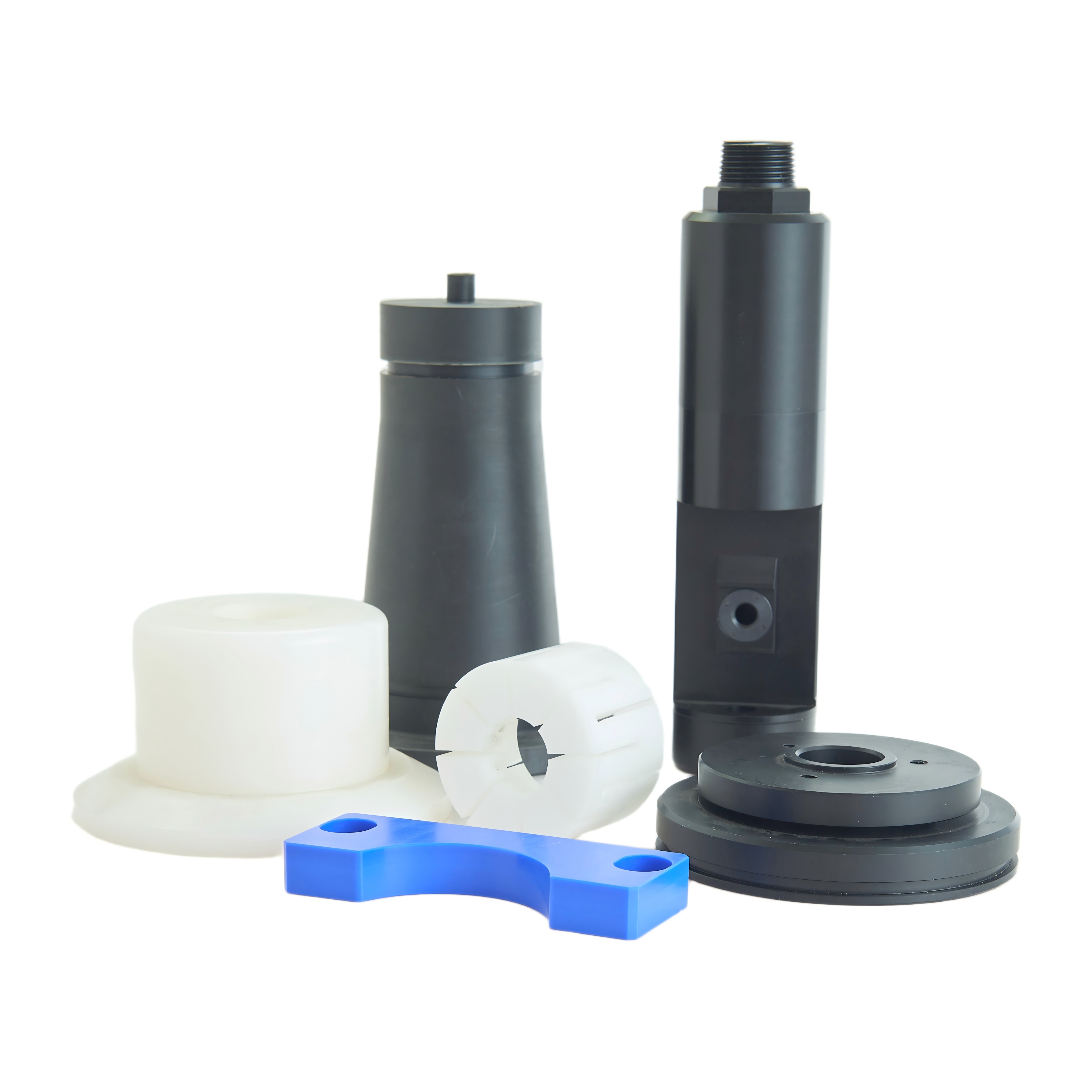
Polyoxymethylene Sheet – High-Performance
POM-C Board for Industrial Precision Applications Engineered for superior mechanical strength and dimensional stability, the
POM-C Sheet stands as a premier choice among polyoxymethylene plastic sheets used across advanced manufacturing and engineering sectors worldwide. As a high-density variant of acetal resin, this pom board delivers exceptional wear resistance, low friction coefficients, and outstanding chemical inertness—making it ideal for precision components in demanding environments. Whether you're designing gear systems, automotive parts, or intricate mechanical assemblies, pom plastic sheet offers a reliable alternative to metals and other thermoplastics. Key Features of POM-C Sheet: - Exceptional hardness and rigidity without brittleness - Superior dimensional accuracy and minimal shrinkage during processing - Outstanding resistance to solvents, oils, and many acids - Low moisture absorption ensures long-term stability - Smooth surface finish enhances durability and reduces wear - FDA-compliant grades available for food-grade applications This polyoxymethylene sheet is manufactured using advanced polymerization techniques that ensure uniform molecular structure and enhanced thermal performance. With a continuous operating temperature range up to 100°C (212°F), the
POM-C board maintains structural integrity under sustained mechanical stress. Its inherent self-lubricating properties reduce the need for external lubricants, minimizing maintenance requirements in moving parts. The material’s fatigue resistance makes it suitable for dynamic applications where repeated loading and unloading are common. In addition to its mechanical advantages, the pom board exhibits excellent electrical insulation properties, making it a preferred option in electronic enclosures and connectors. Its non-conductive nature combined with high dielectric strength supports safe operation in high-voltage environments. Furthermore, the material's resistance to UV degradation and environmental stress cracking extends service life even in outdoor installations, particularly when protected from prolonged direct sunlight. The versatility of this pom plastic sheet allows for easy machining via milling, drilling, cutting, and CNC processes—ideal for prototyping and custom part fabrication. It can be polished to a mirror-like finish or machined to tight tolerances, often within ±0.05 mm, ensuring compatibility with precision engineering standards. Available in various thicknesses (from 3mm to 50mm) and standard sizes (up to 1200mm x 1800mm), the POM-C Sheet accommodates diverse project needs across industries such as aerospace, medical devices, robotics, automation, and industrial tooling. Applications span from conveyor rollers and bushings to valve components, sliding guides, and miniature gears in consumer electronics. In the medical field, certain grades meet biocompatibility standards, enabling use in surgical instruments and diagnostic equipment. For marine applications, its resistance to saltwater corrosion ensures longevity in harsh aquatic conditions. Engineers also rely on this material for creating lightweight yet robust replacement parts in legacy machinery, reducing downtime and operational costs. Customer Feedback Highlights: Users consistently praise the POM-C Sheet for its reliability under heavy-duty conditions. One mechanical engineer from Germany noted: “After switching from brass gears to POM-C, we observed a 40% reduction in noise levels and a significant decrease in wear-related failures.” A robotics developer in Sweden shared: “The dimensional stability of this
pom board has eliminated alignment issues in our robotic joints, improving system accuracy by over 25%.” Another user from Canada highlighted its ease of machining: “We were able to produce complex prototypes in-house with minimal waste—perfect for rapid iteration.” Frequently Asked Questions: What makes POM-C different from standard POM-A? POM-C features a higher crystallinity level and improved impact resistance compared to POM-A, offering better performance in load-bearing and high-speed applications. It is less prone to stress cracking and provides enhanced creep resistance. Is this material suitable for food contact? Yes, specific formulations of the POM-C Sheet comply with FDA regulations for indirect food contact, making them safe for use in food processing equipment and packaging machinery. How does it perform under extreme temperatures? While optimal performance is maintained between -40°C and +100°C, short-term exposure up to 120°C is possible without structural compromise. Beyond this range, thermal deformation may occur. Can it be painted or coated? Surface preparation is recommended prior to coating. While adhesion is achievable with primers, the inherent smoothness of the sheet may require light abrasion for better bonding. Is POM-C recyclable? Yes, POM-C Sheet can be reprocessed through grinding and melting, though multiple cycles may affect mechanical properties. Recycling should follow established industrial guidelines. For professionals seeking a durable, precision-engineered solution, the POM-C Sheet represents a benchmark in thermoplastic performance. Combining the benefits of high strength, low friction, and long-term reliability, this polyoxymethylene sheet continues to redefine excellence in industrial design and component manufacturing across global markets.