
Mechanical Components
6 month ago
When it comes to mechanical components, precision, durability, and performance are essential. Mechanical parts form the backbone of countless industrial and engineering applications, ensuring that machinery operates efficiently and reliably. Whether you're working with bearing components or other critical mechanical elements, choosing high-quality parts is crucial for maintaining system integrity and longevity. This comprehensive guide explores the importance of mechanical components, their key features, and how they contribute to the smooth operation of various systems across industries.
Mechanical components encompass a wide range of parts used in machinery and equipment to facilitate movement, support structures, and transfer power. These components include gears, shafts, bearings, couplings, and more. Each part plays a vital role in the overall function of a machine, making it essential to select the right components for specific applications. The term "mechanical parts" often refers to individual units that work together to achieve a common purpose, while "bearing components" specifically relate to parts designed to reduce friction and support moving parts within a system.
The key characteristics of high-quality mechanical components include material strength, dimensional accuracy, corrosion resistance, and compatibility with other system parts. When selecting mechanical components, it's important to consider factors such as load capacity, operating environment, and expected service life. Bearings, for example, must be able to withstand both radial and axial loads depending on the application. Choosing the right type of bearing component ensures optimal performance and minimizes wear and tear over time.
Detailing the specifications of mechanical components is essential for proper selection and integration into a system. Factors such as size, weight, surface finish, and tolerance levels can significantly impact the functionality of a machine. For instance, precision-engineered mechanical parts are often required in high-speed or high-precision applications where even minor deviations can lead to failure. Additionally, the use of advanced materials like stainless steel, aluminum alloys, or specialized plastics can enhance the performance and lifespan of mechanical components. Understanding these details allows engineers and technicians to make informed decisions when designing or maintaining mechanical systems.
Message our team right now to obtain segmented slewing bearing dimension drawings, factory quotation and production inspection reports.
The applications of mechanical components span a vast array of industries, from automotive and aerospace to manufacturing and construction. In the automotive sector, mechanical parts are integral to engine function, transmission systems, and suspension mechanisms. In aerospace, they play a critical role in aircraft engines, landing gear, and control systems. Manufacturing environments rely heavily on mechanical components for conveyor belts, robotic arms, and automated assembly lines. Even in everyday consumer products, mechanical parts ensure smooth operation and user satisfaction. The versatility of mechanical components makes them indispensable across a wide range of technical fields.
User feedback highlights the importance of reliable mechanical components in both professional and personal settings. Many users emphasize the need for durable and well-designed parts that can withstand demanding conditions without frequent replacement. Others note the value of clear documentation and accurate specifications, which help in proper installation and maintenance. Some mention the benefits of using high-quality bearing components in reducing vibration and noise, leading to improved system efficiency. Overall, positive experiences with mechanical components often revolve around their ability to perform consistently under various operational conditions.
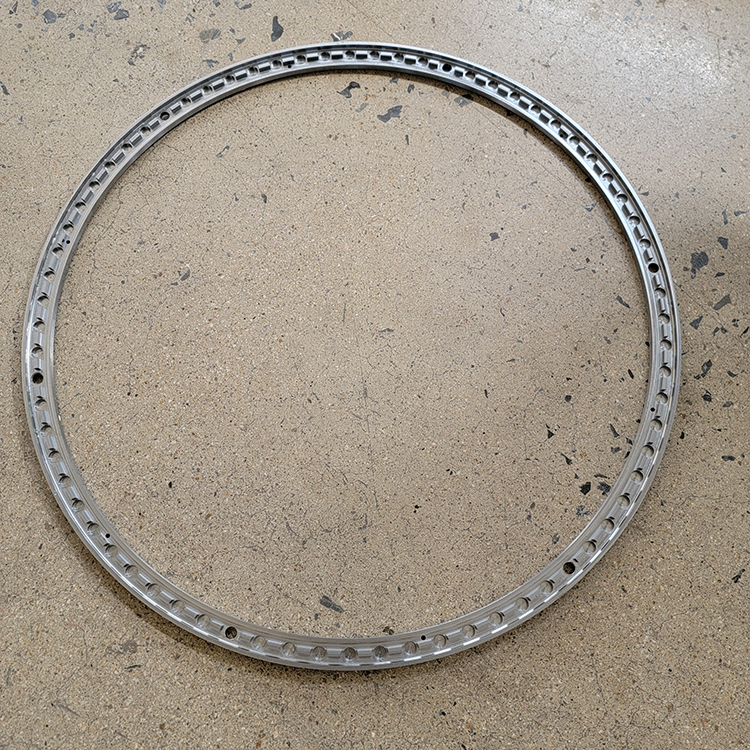
| Item | Specification Details |
|---|---|
| Component Type | Segmented split‑type slewing ring mechanical part |
| Gear Customization | External gear, internal gear, gear‑less smooth ring |
| Raw Material | High‑strength alloy steel for heavy‑load machine accessories |
| Surface Process | Quenching treatment, anti‑rust surface finishing |
| Custom Service | Outer diameter, segment quantity, hole layout and gear profile customization |
Core Advantages of This Mechanical Part
Convenient Transportation
The large‑diameter ring is split into multiple small metal segments, bypassing oversized shipping restrictions and cutting logistics expense.
Flexible On‑Site Assembly
Workers assemble these machinery segments and fasten bolts on‑site, adapting to narrow and complicated installation spaces.
Budget‑Friendly Maintenance
Only replace the worn‑out single segment instead of the whole expensive large‑size mechanical accessory.
Outstanding Structural Rigidity
High‑precision CNC‑processed splicing sections guarantee overall ring stability under low‑speed heavy‑duty rotation.
Wide Application Range for Mechanical Component
Wind turbine yaw devices, port handling machinery, mobile crane rotating bases, offshore industrial equipment, large‑size machine‑tool rotary worktables, solar‑energy tracking brackets and waste‑treatment rotary facilities.
Custom Service Instruction
We support non‑standard mechanical component customization from your technical drawings. Share your working load, overall dimension, mounting‑hole and gear requirements, and our engineering team will produce matched segmented slewing‑ring accessories.
Frequently Asked Questions
Q: Will the spliced mechanical ring lose rotating precision after long‑time operation?
A: Every metal segment is finished by high‑accuracy CNC machining. The bolt‑locked splicing framework keeps excellent circular run‑out accuracy for the raceway.
Q: Do you accept small‑batch orders for this machine spare part?
A: Both sample orders and large‑volume bulk purchases are available for overseas industrial purchasers.
Q: Can the mechanical component fit harsh marine working environments?
A. Multiple wear‑resistant and anti‑corrosion surface treatments are optional for damp offshore operating conditions.
CTA Purchase Guide
Get in touch with our team now to acquire dimension drawings, factory quotations and quality inspection reports of our segmented slewing‑ring mechanical components.
Similar Video Recommendation

If you are interested in the product, contact Bossgoovideo.com for more information
- *To:
- Dalian Redmay bearing import & Export Co., Ltd.
- *Message:
-
Submit
Main Product:
bearing,
thrust bearing,
spherical roller bearing,
railway bearing,
cylindrical roller bearing,
Mechanical processing