A Photograph Paired with a Real Voice
The heart-shaped window gives the card a clear place for a wedding photograph, engagement picture, anniversary portrait or another meaningful image. The recorded message adds something that printed wording cannot reproduce: the sender’s own tone and voice. This makes the card suitable for buyers developing recordable wedding cards or romantic collections built around personal content. The current cover has a soft pink palette with gold and red heart details, but the shape and artwork can also be adapted for another theme. Names, dates or a short occasion message may replace the existing wording, and the photo opening can be adjusted after the required finished size has been confirmed.
Recording and Playback
The user presses and holds the recording button while speaking, then releases the button to save the message. When the card is opened, the saved audio plays through the built-in speaker. The exact operating instructions, recording time and re-recording method depend on the module selected for the project, so these details are confirmed before sampling and printed clearly inside the finished card. A locking tab can also be considered when the buyer wants to prevent the final recording from being changed after it has been completed. For voice wedding greeting cards, this is especially useful when the card is prepared in advance and supplied with a finished message for the recipient.
Romantic and Wedding Applications
Although the sample artwork is shown in a Valentine’s Day setting, the same format can be used for wedding wishes, proposals, engagement announcements and anniversary gifts. Wedding planners may use it as a message card for the couple, while gift brands can adapt it as part of a romantic keepsake collection. The photograph and recording can also be prepared by family members who are unable to attend a wedding in person. For wholesale programs, several cover designs can be developed around the same basic idea, such as “Our Wedding Day,” “Happy Anniversary” or “A Message for You,” subject to the quantity required for each artwork version.
Customization Options
The cover artwork, heart-shaped window, printed message, inside layout and card size can be developed around the buyer’s collection. A LOGO may be printed on the card back, envelope, instruction panel or individual packaging. CONTENT includes the cover wording, inside greeting, recording instructions and language version. DESIGN covers the photograph opening, colour palette, decorative hearts and overall layout. Buyers may also choose the required recording time, playback method and whether the message should remain re-recordable or be protected after the final recording. Matching envelopes, barcode labels, warning labels, paper sleeves and individual gift boxes can be added according to the sales channel. These choices allow custom wedding voice cards to be prepared for different brands without simply changing the logo on an existing design.
Recordable Module Selection
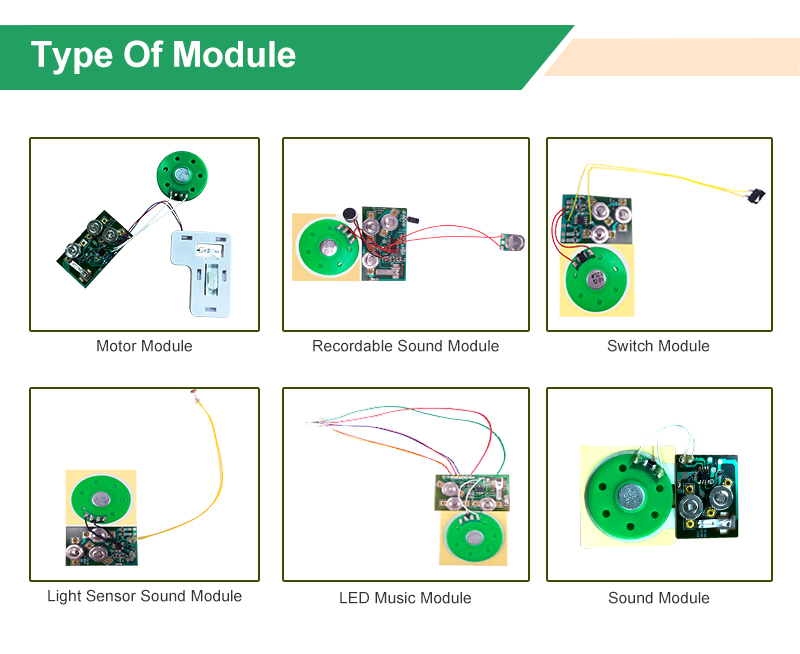
A recordable card needs a module that matches the required audio length, recording method, playback volume and available space inside the folded card. Our team checks these points before confirming the structure because a longer recording or different control method may require a different circuit arrangement. The positions of the recording button, microphone, speaker and activation switch are planned together with the printed instructions so the card remains easy to operate. We can also prepare a functional sample using the selected module, allowing the buyer to test the recording and playback process before the bulk order is approved.
Paper Structure and Electronic Assembly
The card is not produced by adding a sound unit to a finished paper card. Its paper construction and electronic layout must be developed together. In our factory, the printed panels are cut and prepared according to the approved structure, and the recording module is then positioned so that it does not interfere with folding or the photo area. Wiring and control parts are concealed between the paper layers, while the required buttons and instructions remain accessible to the user. Hand assembly is carried out according to the approved sample, helping maintain consistent placement across the production batch.
Functional Quality Control
Recording, saving and playback are checked during production rather than relying only on a visual inspection of the finished card. The team tests whether the recording button responds correctly, whether the saved message plays when required and whether the sound remains clear. The card is also opened and closed to check the trigger, paper alignment and internal component placement. Printed wording, the position of the heart-shaped photo opening and the finished appearance are reviewed at the same time. This combined inspection is one of the practical advantages of producing both paper greeting cards and electronic cards within our own factory.
FAQ
1. Can the recipient record over the original message?
This depends on the selected module. A re-recordable version allows the message to be replaced, while a locking method can be considered when the final recording needs to be protected.
2. Can we change the heart-shaped photograph area?
Yes. The size and shape of the photo opening can be adjusted, provided there is enough space for the cover artwork and internal electronic module.
3. What information is required for sampling and quotation?
Please provide the required quantity, finished card size, cover artwork or reference image, preferred recording time, playback method, language and packaging requirements.
4. Can several wedding designs use the same recording module?
Yes, if the recording time and operating method remain the same. However, the card structure and quantity of each artwork version still need to be reviewed before quotation.
Share the required quantity, artwork and recording specifications with us, and we can review the appropriate module, card structure and packaging before confirming the sampling cost.