
1D-Cylinder liner explanation video
3 year ago
Dry Cylinder liner vs Wet Cylinder liner: What's the difference? How to choose?
First, structural differences: start with "whether to contact the coolant"
# Dry cylinder liner
Structure features: The outer wall of the cylinder liner does not directly contact the coolant, but conducts heat through the outer surface of the cylinder liner and the fitting surface of the cylinder block (interference fit). The thickness of the cylinder liner is thin, usually 1-3mm, and the material is mostly alloy cast iron (such as high-phosphorus cast iron and boron-containing cast iron).
Typical applications: Most commonly seen in early cast-iron cylinder engines (such as the old Volkswagen 1.6L engine), or modern small-displacement aluminum alloy engines (such as the Honda L15B series).
# Wet cylinder liner
Structure features: The outer wall of the cylinder liner is directly immersed in the coolant, the lower part is provided with 2-3 rubber sealing ring (O-ring), and the top is closely fitted with the cylinder body plane through the cylinder liner flange to prevent the coolant leakage. Cylinder liner thickness is thick, usually 5-8mm, the material in addition to cast iron, some high-end models use copper or ceramic coating process.
Typical applications: Large displacement engines (such as V6, V8 models), diesel engines (requiring greater heat dissipation), and engines requiring post-boring cylinder service (wet cylinder liner can be replaced separately).
Second, performance comparison: heat dissipation, strength, maintainability is very different
# Dry cylinder liner
1. Heat dissipation efficiency: medium (dependent on cylinder conduction, coolant is not in direct contact)
2. Structural strength: rely on cylinder block support, cylinder liner is thin
3. Maintenance convenience: can not be replaced separately (need to boring cylinder or replace cylinder body)
4. Sealing requirements: no need to prevent coolant leakage, only need to prevent gas leakage
5. Weight and cost: light (thin thickness), low cost
6. Application scenario: small displacement, lightweight design, low maintenance frequency model
# Wet cylinder liner
1. Heat dissipation efficiency: high (coolant direct cooling, heat dissipation area increased by 30%)
2. Structural strength: the cylinder liner itself has high strength and can withstand higher explosion pressure
3. Maintenance convenience: can be replaced separately, low maintenance cost
4. Sealing requirements: coolant and gas leakage should be prevented at the same time, and the sealing ring is easy to age
5. Weight and cost: heavy (large thickness), high cost (sealing ring + processing accuracy)
6. Application scenario: large displacement, high load, need later maintenance models
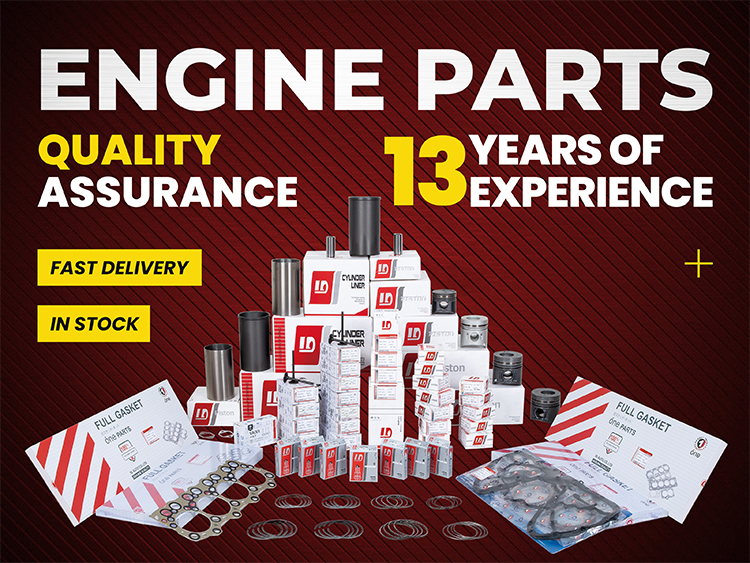
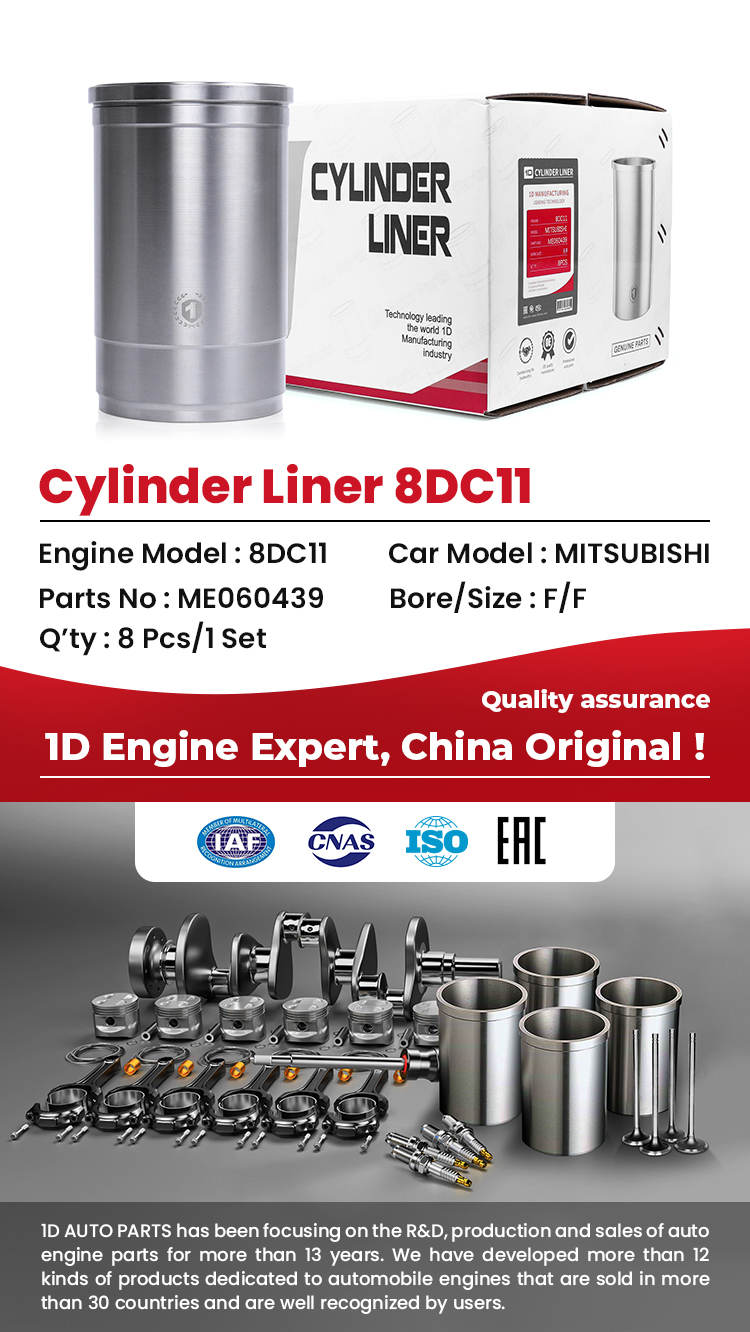
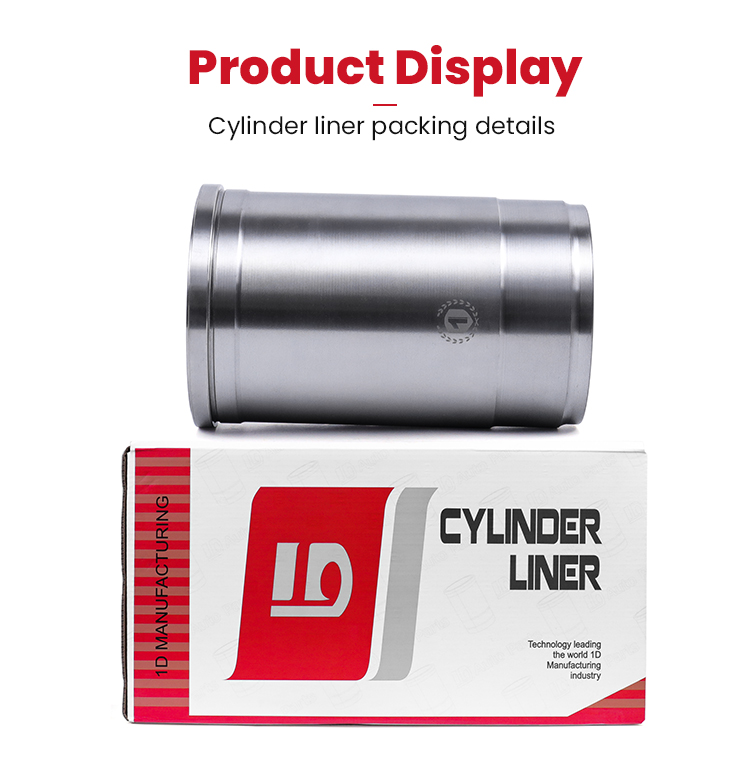
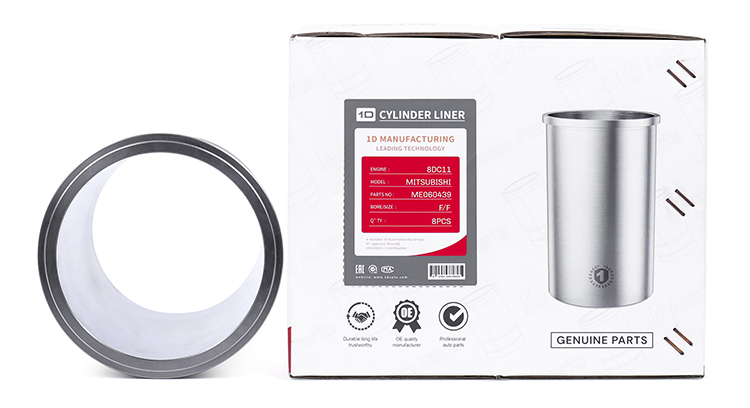
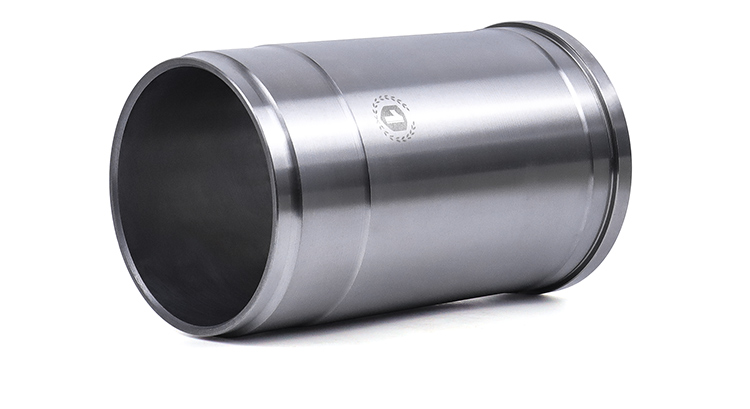
1D Auto Parts Co; Ltd is professional at high quality engine parts, we focus on Piston,Piston Ring,Cylinder Liner,Spark Plug,Glow Plug,Ignition Coil,Engine Valve,Sealant .
We have over 20 years of experience in OEMproduction,lmport-Export, management, qualitycontrol and market orientated R&D.We are able tomeet customer requirement of high quality.sufficiency stock, variety of 5000 models anddifferent size,as well as product packing & branddesign, with the aim of establish a very competitiveadvantage for businesses.
Similar Video Recommendation


If you are interested in the product, contact Bossgoovideo.com for more information
- *To:
- 1D auto parts
- *Message:
-
Submit
Main Product:
Engine piston,
cylinder liner,
spark plug,
Ignition coils,
head gasket,
Engine Valve