Sodium molybdate, a compound containing molybdenum (Mo), is an essential micronutrient used in agriculture for its role as a plant growth regulator. It plays a vital part in enzymes involved in nitrogen fixation and detoxification processes. In agriculture, It can be used as a soil conditioner. it is applied to enhance crop productivity, particularly in soils with low natural molybdenum levels. Molybdate improves plant tolerance to environmental stresses like heavy metals and drought,as rooting hormone,it promotes root development, and supports overall plant health. Regular application can lead to increased yields, improved crop quality, and more robust plants, making it a valuable supplement in modern agricultural practices. However, its usage should be balanced, as excessive amounts can be toxic to plants.
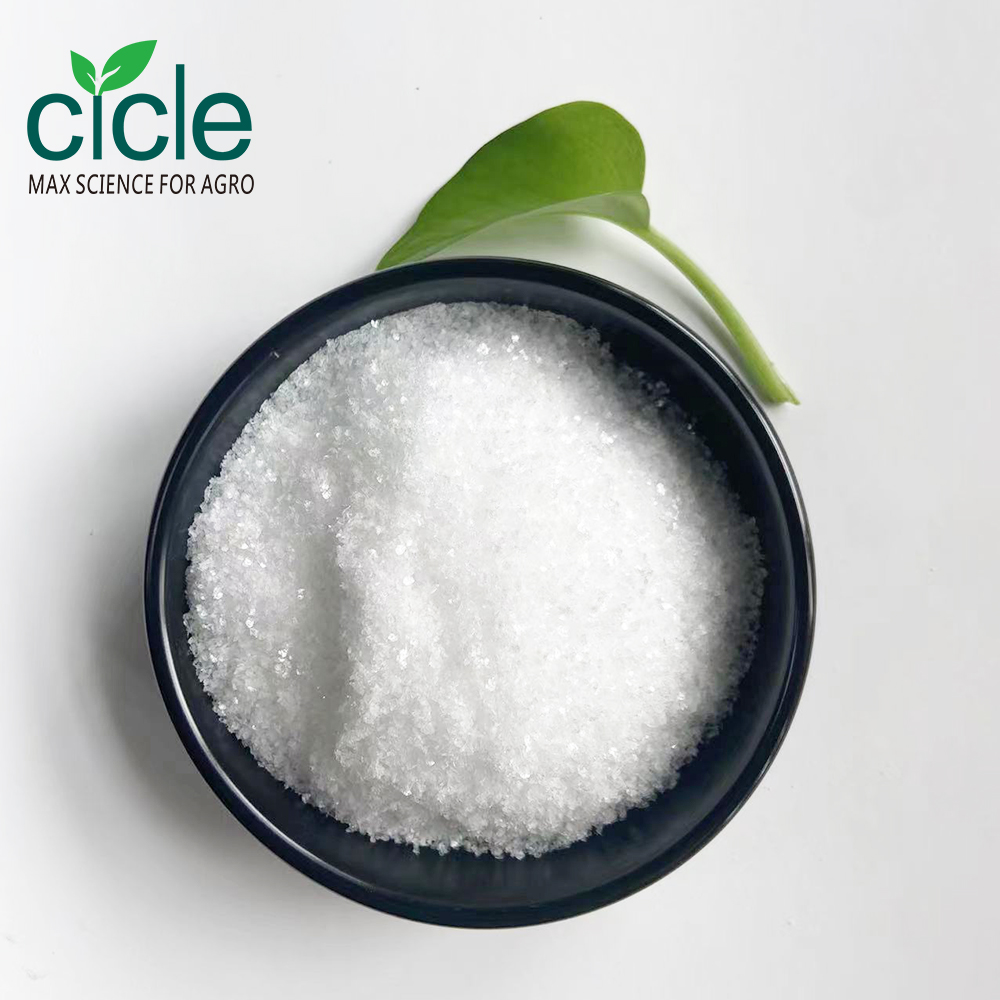
Specification
| ITEMS |
SPECIFICATIONS |
RESULT |
| Appearance |
white crystal |
Conform |
| MO |
≥39.3% |
39.31% |
| pH |
7.5~9.5 |
8.0 |
| Assay |
99% |
99.11% |
What will plants benefit from Sodium Molybdate?
1. Enhanced Mo (Molybdenum) Absorption: Molybdenum is a vital component of several enzymes involved in various metabolic processes, such as nitrogen assimilation and detoxification of toxic compounds. Sodium molybdate helps in the uptake of molybdenum, ensuring plants have the necessary element for optimal enzyme function.
2. Improved Plant Growth: Adequate molybdenum levels support healthy root growth, which in turn enhances overall plant vigor. Stronger roots mean better water and nutrient absorption, leading to increased biomass production and better crop yield.
3. Stress Tolerance: Molybdenum is known to enhance plants' tolerance to various environmental stresses, such as heavy metal toxicity, drought, and oxidative stress. Sodium molybdate supplementation can protect plants under challenging conditions and maintain their productivity.
4. Enhanced Photosynthesis: Molybdenum is involved in the functioning of certain chloroplast enzymes, including nitrogenase, which plays a role in converting atmospheric nitrogen into a form usable by plants. Improved nitrogen metabolism due to molybdate can lead to more efficient photosynthesis and higher crop yields.
5. Disease Resistance: Proper molybdenum nutrition can strengthen a plant's immune system, making it less susceptible to diseases caused by pathogens. This can lead to healthier plants with fewer losses due to infections.


