In the age of smart in-vehicle devices, reliable power access is a cornerstone of seamless functionality—whether for navigation, fleet tracking, or diagnostic tools. The 16 Pin OBDII to DC Male Female Connector emerges as a game-changing accessory, bridging the gap between a vehicle’s standard OBDII port and DC-powered electronics. This innovative connector eliminates the need for messy wiring or battery tapping, offering a safe, plug-and-play way to power or charge a wide range of devices, making it indispensable for drivers, fleet managers, and automotive professionals.
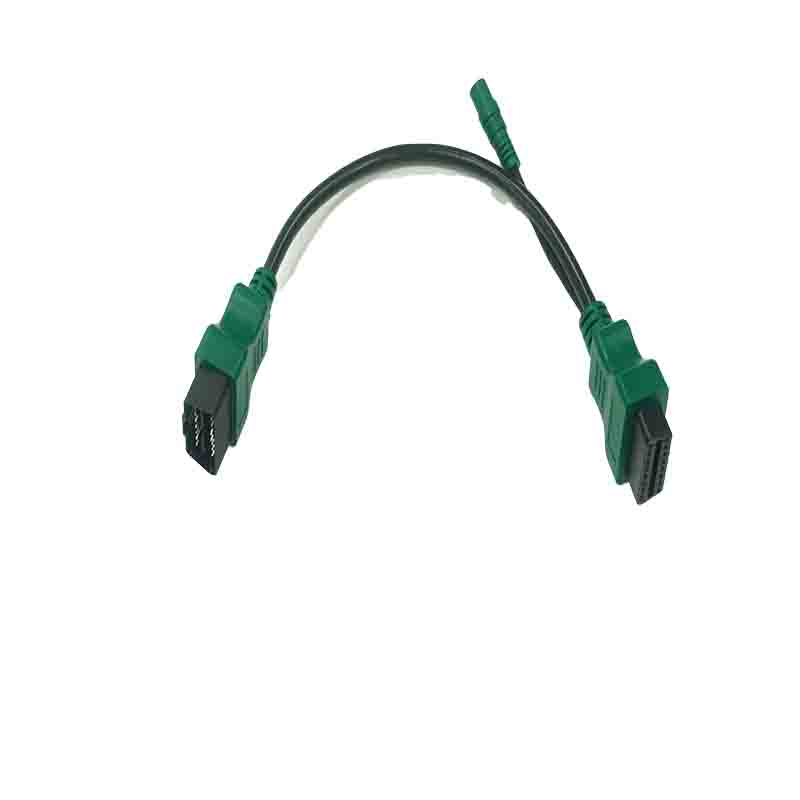
At its core, this connector leverages the universal 16-pin OBDII port—mandatory in all vehicles sold globally since the 1990s—as a stable power source. Unlike traditional methods that require splicing into the vehicle’s electrical system, the OBDII port provides a regulated 12V power supply (
compatible with most in-vehicle DC devices) that is both accessible and safe. The connector’s 16-pin male end is precision-engineered to meet ISO 15031 standards, ensuring a snug, secure fit with any OBDII port—from passenger cars and SUVs to light trucks and commercial vans. On the other end, the dual DC male and female connectors add unmatched versatility: the DC male plug powers devices with a female DC input
(e.g., GPS trackers, dashcams), while the DC female socket lets users daisy-chain additional devices or charge gadgets via a USB adapter.
| Item |
Description |
| Product Name |
16 Pin OBDII to DC Male Female Connector |
| Type |
Automotive OBDII Diagnostic & DC Power Supply Wiring Harness |
| Voltage |
12V DC, Customized Voltage Specification Available |
| Pins Material |
Nickel-Plated Brass Terminals, Gold-Plating Optional |
| Plug Material |
PA66+GF Automotive Grade OBDII & DC Connector Housing |
| Working Temperature |
-40℃~+85℃ Or Customized |
| Length |
Standard Length: 300mm / Customized Length Available |
| Minimum Insulation Resistance |
≥10MΩ |
| Maximum Conduction Resistance |
≤2Ω |
| Application Fields |
Automotive OBD diagnostic tool power supply, vehicle on-board electronic device DC power connection, auto repair shop diagnostic equipment power extension, automotive modification circuit power supply, passenger car & commercial vehicle OBD interface power conversion, DIY automotive electronic test projects, custom OBD to DC power wiring harness |
| Specific Shipping Cost |
Please Contact Us |
Durability is a key design focus, tailored to withstand the harsh conditions of automotive environments. The connector’s housing is crafted from high-impact ABS plastic, resistant to vibration,
temperature fluctuations (-40°C to 85°C), and exposure to dust or moisture. The internal wiring uses oxygen-free copper (OFC) conductors, which minimize resistance and ensure efficient power transfer—critical for devices that require consistent voltage, such as telematics systems or diagnostic scanners. Gold-plated contacts on both the OBDII and DC ends further enhance performance by preventing corrosion and maintaining stable conductivity, even after years of regular use.
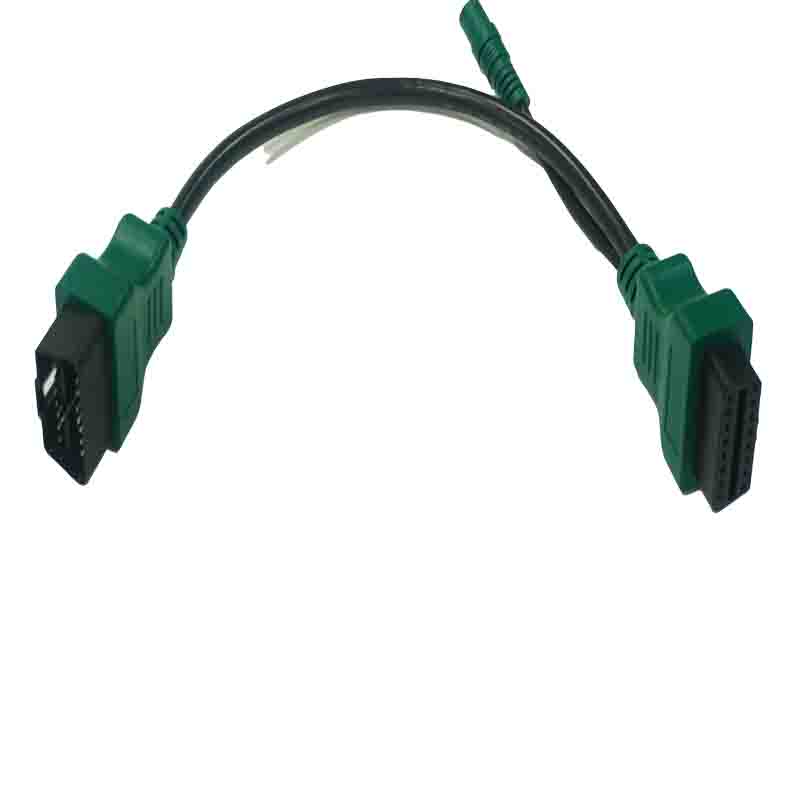
Safety is another non-negotiable feature. The connector integrates built-in overcurrent and short-circuit protection, safeguarding both the vehicle’s electrical system and connected devices. Unlike unregulated power sources, the OBDII port’s output is stabilized by the vehicle’s alternator and battery, and the connector’s design ensures this stability is maintained—preventing damage from voltage spikes or drops. Additionally, the connector’s plug-and-play design eliminates the risk of incorrect wiring, a common issue with DIY power solutions that can lead to electrical fires or component failure.
The 16 Pin OBDII to DC Male Female Connector shines in its versatility across use cases.
Fleet operators rely on it to power GPS trackers and telematics devices, enabling real-time vehicle location and maintenance monitoring without modifying the vehicle’s wiring. Ride-share drivers use it to charge dashcams and smartphone mounts, ensuring their devices stay powered during long shifts. Automotive technicians leverage it to power portable diagnostic tools, avoiding the need for bulky external batteries. Even recreational vehicle owners benefit, using it to power small electronics like camping lights or portable fridges when the vehicle is running.
In short, this connector is more than a power accessory—it’s a reliable, safe, and versatile solution that simplifies in-vehicle power access. Its universal compatibility, durable construction, and safety features make it a must-have for anyone relying on DC-powered devices in their vehicle, proving that practical innovation can turn a simple connector into an essential tool.


