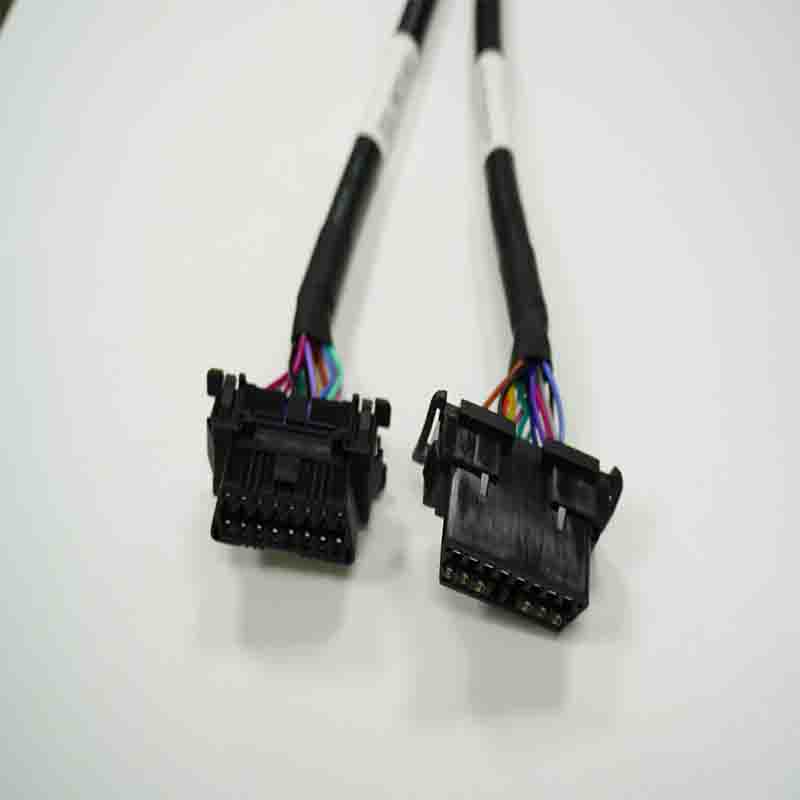
In the modern automotive landscape, where technology and mechanics converge, the OBD (On-Board Diagnostics) system stands as a critical tool for vehicle health monitoring. At the heart of this system lie two indispensable components: the OBD adapter and the OBD header cable. Together, they form a seamless bridge between a vehicle’s internal computer and external diagnostic tools, empowering both professionals and enthusiasts to unlock vital vehicle data.
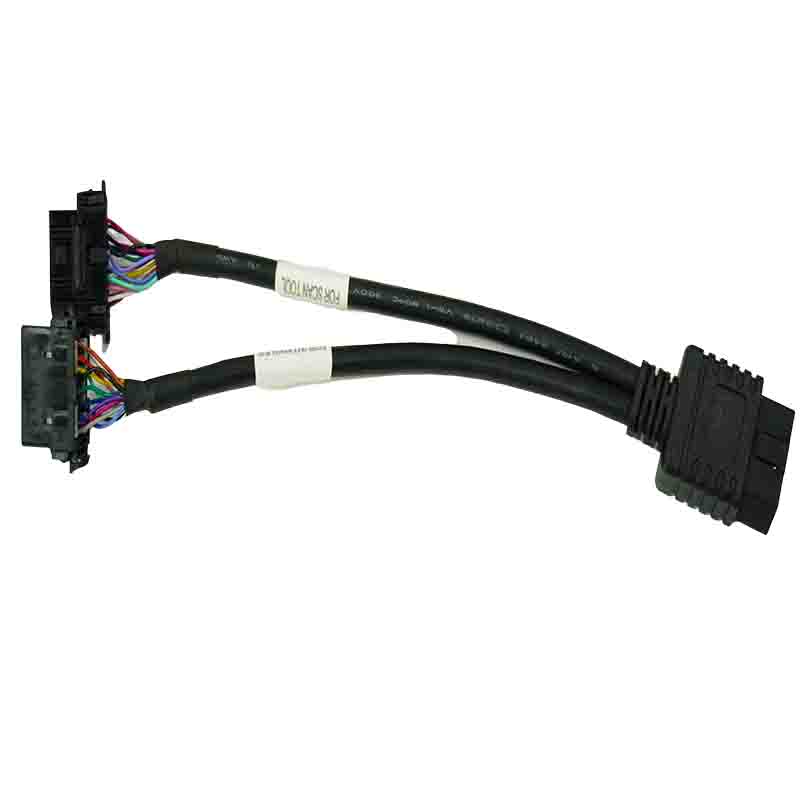
The OBD adapter serves as the translator in this ecosystem. Designed to plug directly into a vehicle’s OBD port—typically located under the dashboard—it converts the vehicle’s proprietary data signals into a universal format readable by smartphones, tablets, or dedicated diagnostic scanners. Modern adapters, often equipped with Bluetooth or Wi-Fi connectivity, eliminate the hassle of wired connections, allowing users to access real-time data remotely. Whether it’s checking engine fault codes, monitoring fuel efficiency, or tracking vehicle speed and RPM, the adapter ensures accurate and instant data transmission, turning complex vehicle metrics into actionable insights.
| Item |
Description |
| Product Name |
OBD Adapter - OBD Header Cable |
| Type |
Automotive OBDII Diagnostic & ECU Programming Wiring Harness |
| Voltage |
12V / 24V DC, Customized Available |
| Pins Material |
Nickel-Plated Brass Terminals, Gold-Plating Optional |
| Plug Material |
PA66+GF Automotive Grade Connector Housing |
| Working Temperature |
-40℃~+105℃ Or Customized |
| Length |
Customized Length Available |
| Minimum Insulation Resistance |
≥10MΩ |
| Maximum Conduction Resistance |
≤2Ω |
| Withstand Voltage Test |
DC 300V 10MS |
| Application Fields |
Automotive ECU programming and flashing, vehicle fault code reading and clearing, engine performance tuning, OBD diagnostic tool extension, custom automotive wiring modification, vehicle maintenance and calibration, fleet vehicle batch testing |
| Specific Shipping Cost |
Please Contact Us |
Complementing the adapter is the OBD header cable, a component that often goes unnoticed but is equally vital. Acting as the physical link between the OBD port and the adapter (in wired setups) or directly connecting the vehicle to diagnostic equipment, this cable is engineered for durability and reliability. Constructed with high-quality copper conductors and robust insulation, it resists interference from the vehicle’s electrical system, ensuring stable data flow even in harsh operating conditions. Its flexible design allows for easy routing under the dashboard, while secure connectors prevent accidental disconnections during diagnostics or vehicle operation.
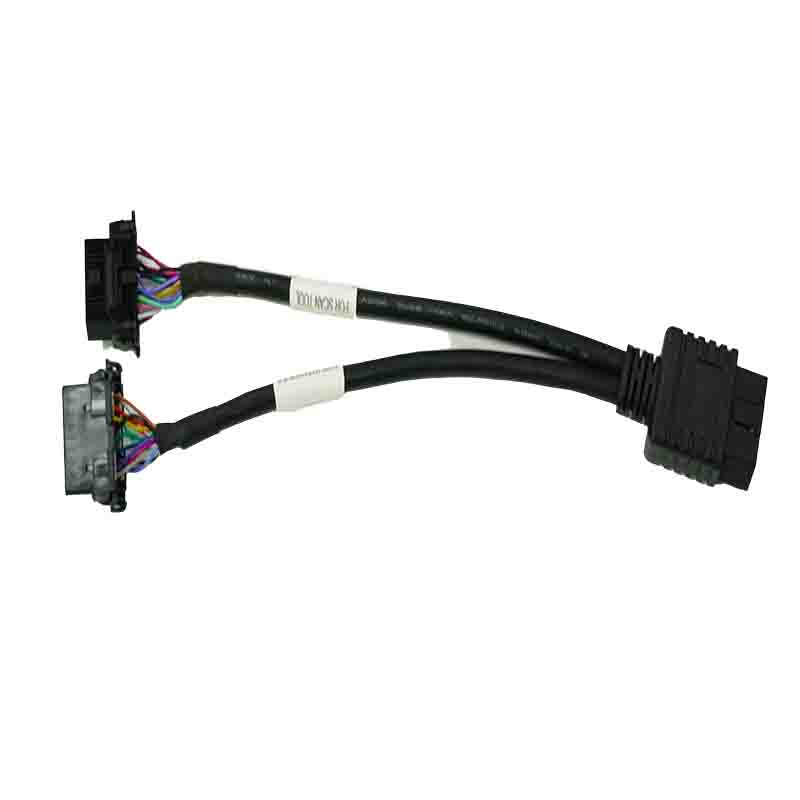
The synergy between these two components extends beyond basic diagnostics. For mechanics, they streamline repair processes: instead of relying on guesswork, technicians can quickly retrieve fault codes, pinpoint issues, and verify repairs—saving time and reducing costs for both shops and customers. For car owners, affordable consumer-grade adapters paired with user-friendly apps turn smartphones into personal diagnostic tools, enabling proactive maintenance and early detection of potential problems before they escalate into expensive repairs. Fleet managers also benefit, using the technology to monitor vehicle performance, optimize fuel usage, and ensure compliance with emissions regulations.
In essence, the OBD adapter and OBD header cable are more than just accessories—they are enablers of smarter, more efficient vehicle care. As automotive technology advances, these components continue to evolve, supporting newer OBD-II protocols and integrating with emerging features like telematics and predictive maintenance. For anyone who values their vehicle’s performance and longevity, investing in high-quality OBD adapter and header cable isn’t just a choice—it’s a step toward taking control of vehicle health in the digital age.