
DB44P to OBDII 16 Pin CABLE
11 month ago
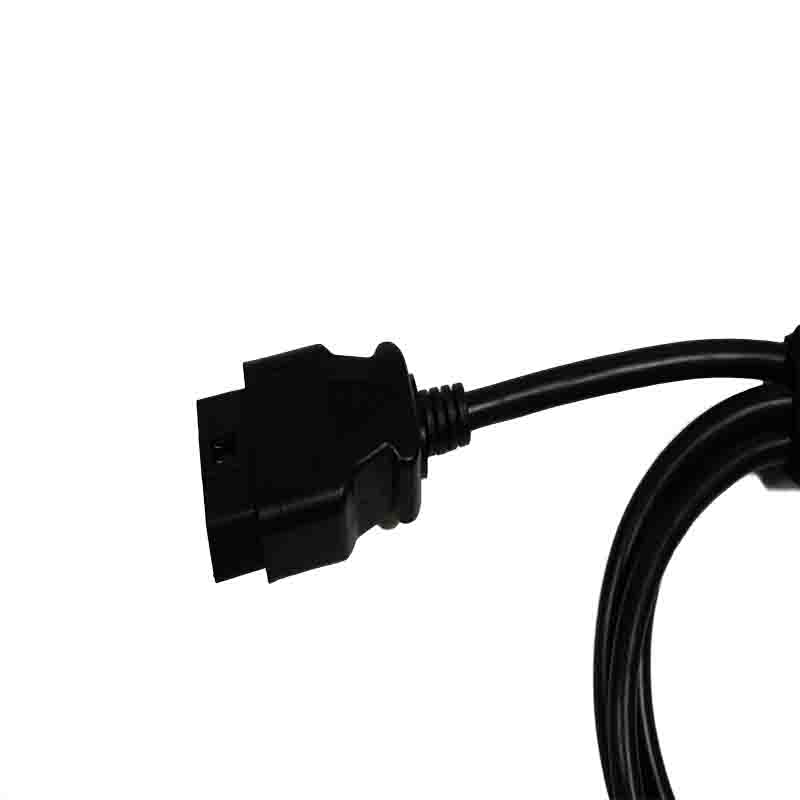
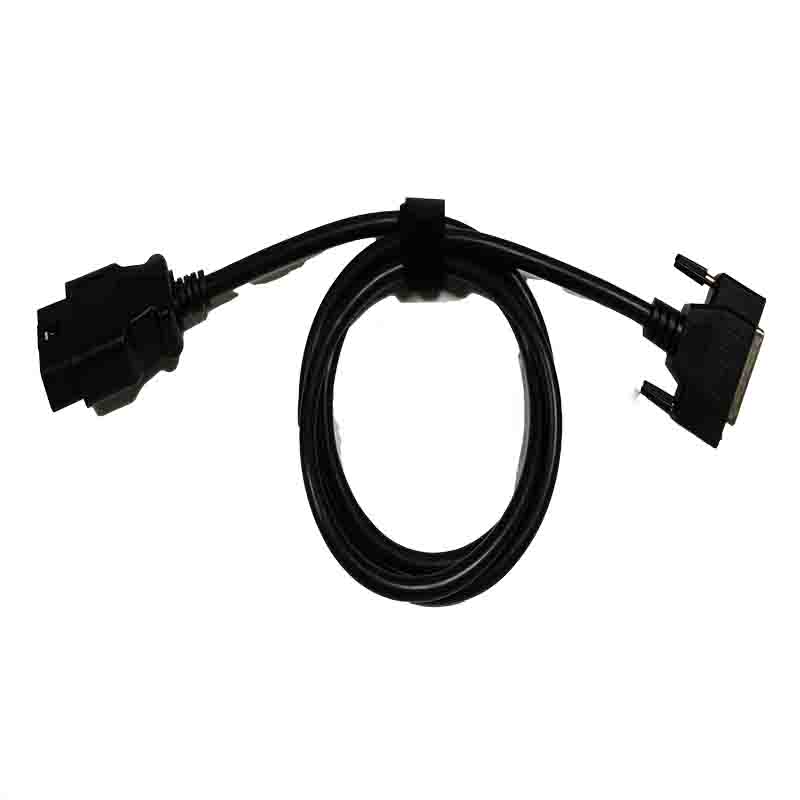
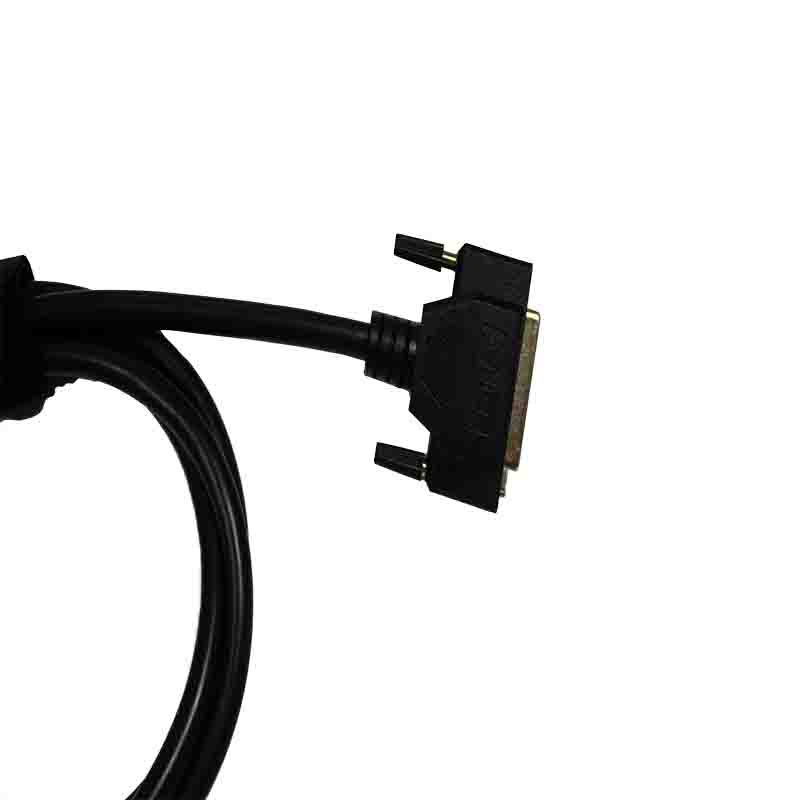
| Item | Description |
| Product Name | DB44P to OBDII 16 Pin CABLE |
| Type | Automotive ECU Programming & Multi-Channel Signal Wiring Harness |
| Voltage | 12V / 24V DC, Customized Available |
| Pins Material | Nickel-Plated Brass Terminals, Gold-Plating Optional |
| Plug Material | PA66+GF Industrial & Automotive Grade Connector Housing |
| Working Temperature | -40℃~+105℃ Or Customized |
| Length | 1000-2000mm Customized Length Available |
| Minimum Insulation Resistance | ≥10MΩ |
| Maximum Conduction Resistance | ≤2Ω |
| Withstand Voltage Test | DC 300V 10MS |
| Application Fields | Multi-channel automotive ECU programming and flashing, vehicle comprehensive signal data acquisition, auto repair shop professional diagnostic workstation wiring, automotive electronic R&D lab bench testing, passenger and commercial vehicle CAN/LIN bus simultaneous detection, aftermarket diagnostic equipment internal conversion cable, engineering vehicle control module debugging, DIY multi-signal automotive electronic test projects, custom multi-pin diagnostic conversion wiring harness |
| Specific Shipping Cost | Please Contact Us |
Similar Video Recommendation


If you are interested in the product, contact Bossgoovideo.com for more information
- *To:
- Shenzhen Fubang Wire harness Co.,Ltd
- *Message:
-
Submit
Main Product:
OBDII CABLE,
Automotive Cable Assembly ,
Automotive Cables,
Automotive Wiring Harness,
Custom Wiring Harness,
Energy Storage Harness