
Acetal Copolymer (POM-C) CNC machining service
4 month ago
POM machined parts are components made from polyoxymethylene (POM) plastic. They are wear-resistant, self-lubricating, and dimensionally stable, and are commonly used in gears, bearings, and automotive door locks—components that require both durability and precision.
Where Are POM Machined Parts Primarily Used?
Automotive Industry: Door locks, gears, fuel system components, etc. They can replace metal parts, reducing weight by approximately 30%, and are maintenance-free.
Electronics and Appliances: Connectors, switches, printer gears, etc. They offer high dimensional accuracy and can withstand millions of insertion and removal cycles without breaking.
Machinery and Equipment: Bearings, pump housings, guide rail sliders, etc. They are self-lubricating without oil and suitable for enclosed or clean environments.
Other Fields: Plumbing and bathroom fixtures (faucets, pulleys), medical devices (syringe plungers), consumer goods (zipper pulls, luggage wheels), etc.
How to Ensure Precision in POM Machining
1.Controlling Material Properties:
(1)High Shrinkage Rate: Molding shrinkage ranges from 1.2% to 3.5%; allow for shrinkage allowance during design.
(2)Poor Thermal Stability: Machining temperature should not exceed 250°C to prevent decomposition and the release of irritating gases.
2.CNC Machining Parameters:
(1)Cutting Speed: Recommended 10,000–15,000 rpm; excessively high speeds increase tool wear.
(2)Feed Rate: Recommended 10–20 mm/min; excessively high feed rates may degrade workpiece surface quality.
(3)Cutting Depth: Recommended 0.1–0.3 mm; avoid overheating the tool.
3.Processing Considerations:
(1)Coolant Use: Use coolant during machining to control heat and prevent material deformation.
(2)Stress Relief: Perform aging treatment or annealing after rough machining to reduce residual stress and prevent deformation.
(3)Tool Selection: It is recommended to use tungsten steel or carbide tools, and keep them sharp to minimize cutting heat.
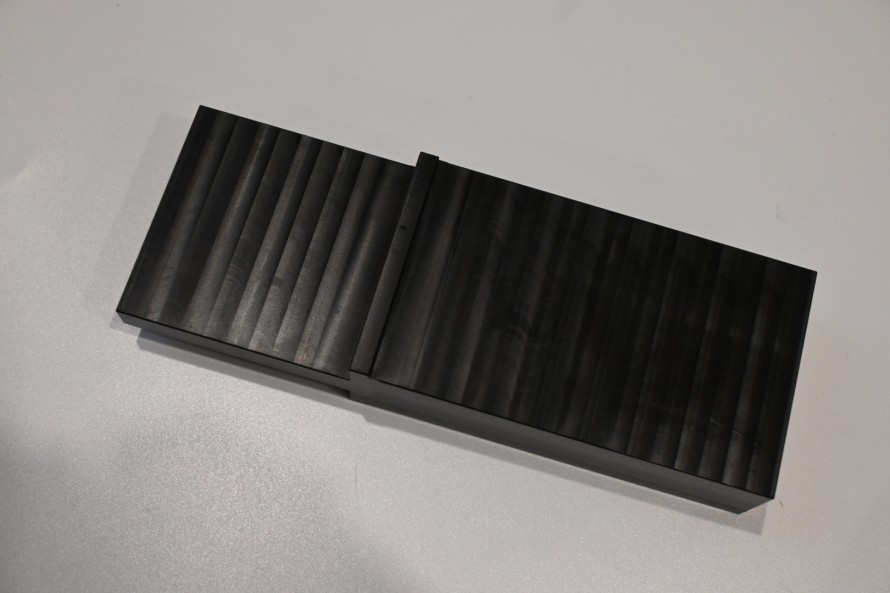
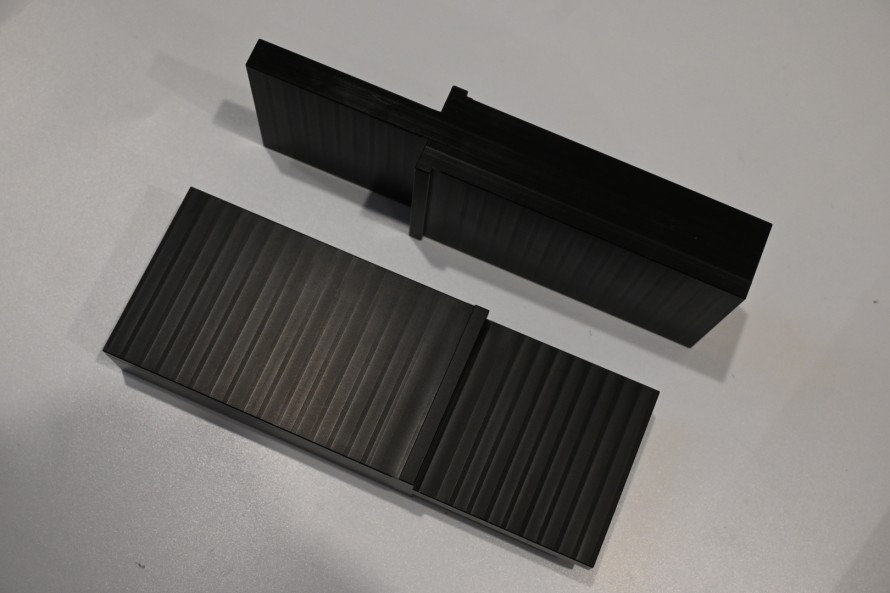
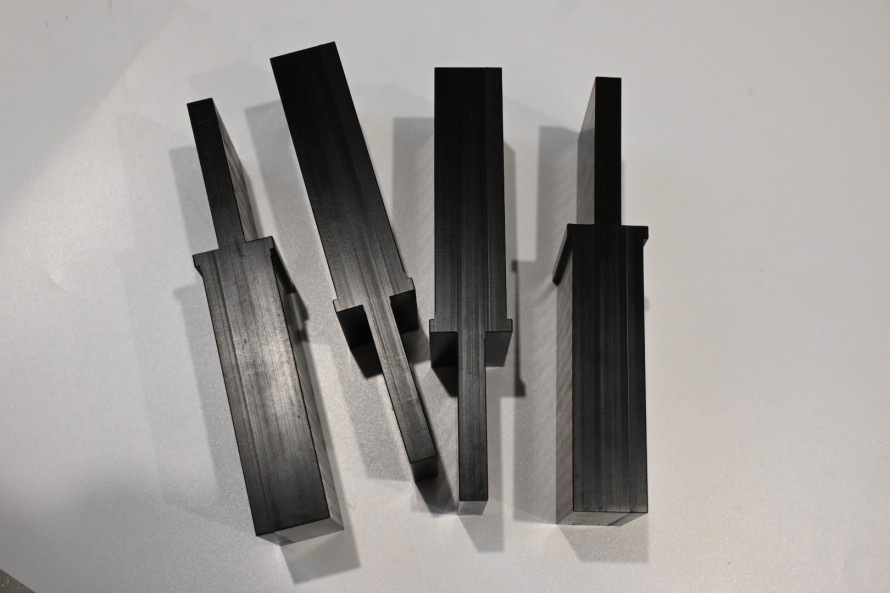
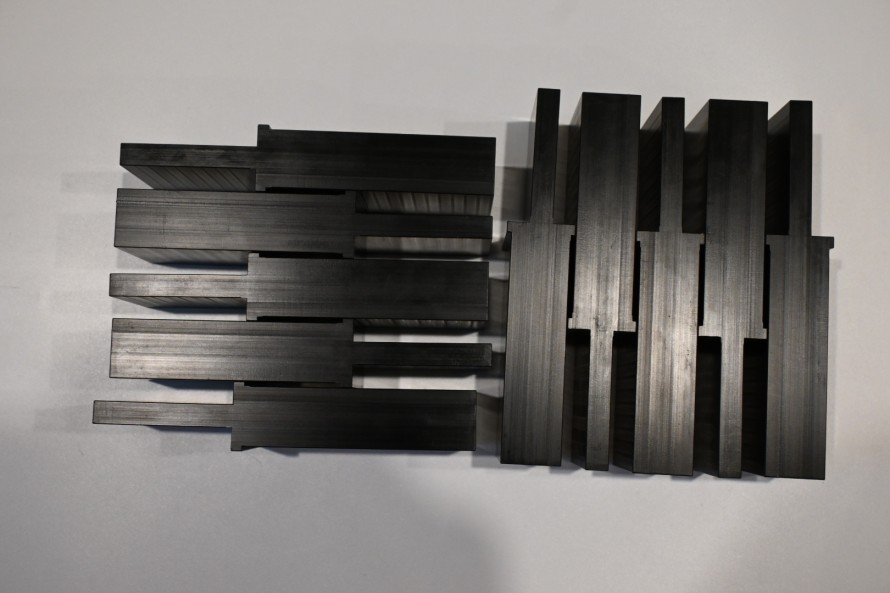
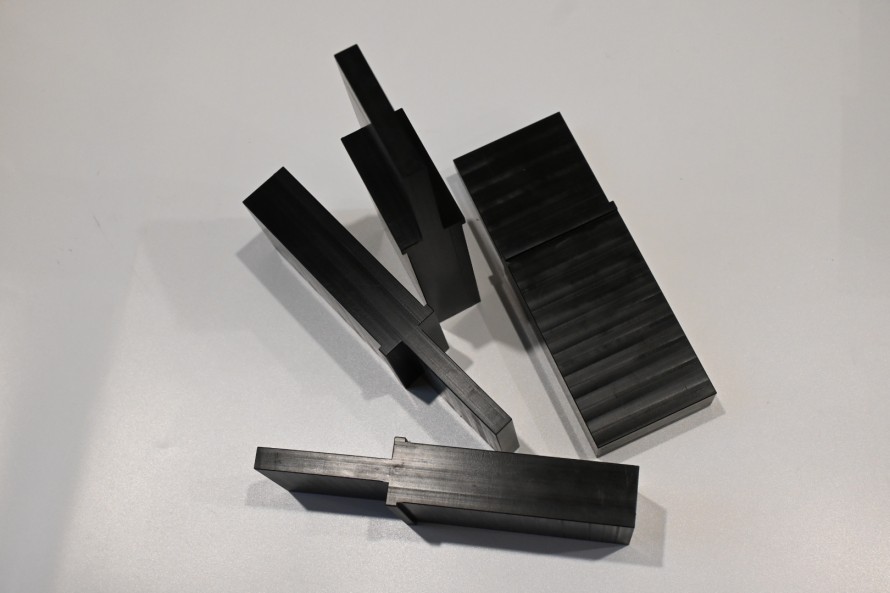
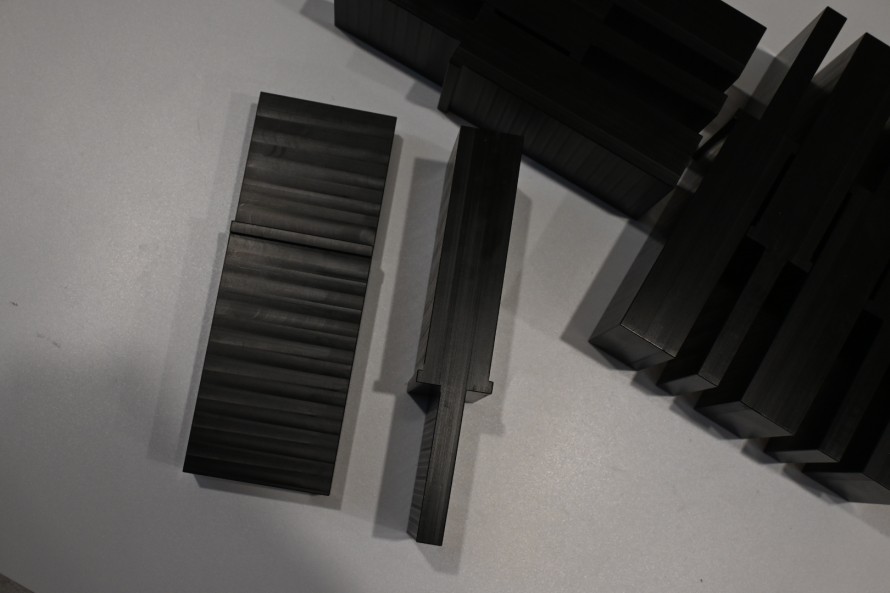
What can POM sheet machined parts be used for?
POM sheet machined parts are engineering plastic products made from polyoxymethylene (POM), a thermoplastic crystalline polymer. Their key characteristics include high hardness, excellent fatigue resistance, good electrical insulation, and temperature resistance, making them widely used in the manufacturing of precision parts. Through injection molding or machining processes, they can be customized into various shapes and specifications to meet the production requirements for high-precision components such as gears, bearings, and guide rollers.
I. Material Properties and Processing Principles:
POM materials are divided into two categories: homopolymer POM and copolymer POM. Both are characterized by high crystallinity and a dense molecular chain structure, which confer high rigidity, a low coefficient of friction, and excellent dimensional stability. The processing methods typically involve injection molding or machining with a CNC router: injection-molding-grade material is melted at high temperatures and injected into a mold, where it cools and solidifies to form standard parts; CNC router machining directly mills and drills sheet material using computer-numerical-control technology, making it suitable for custom, non-standard parts. The material itself contains 100% active ingredients and achieves the required performance without the need for fillers.
II. Core Performance and Application Scenarios:
The core advantages of machined POM parts are reflected in three aspects: First, they exhibit outstanding fatigue resistance and are resistant to cracking under repeated stress, making them suitable for components requiring long-term operation, such as gears and bearings; Second, they offer excellent insulation properties, with a resistivity of 10¹⁵ Ω·cm or higher, making them suitable for insulating structural components in the electronics and electrical industries; third, they have a wide temperature tolerance range, with a short-term operating temperature of up to 140°C and a long-term stable operating temperature ranging from -40°C to 100°C, allowing them to adapt to a variety of environmental conditions. Typical applications include precision machine tool guide rollers, automotive engine gears, and office equipment bearings—scenarios that demand high wear resistance and dimensional accuracy.
III. Processing Methods and Customization Flexibility:
This material supports two primary processing methods: standardized injection molding and customized CNC machining. The injection molding process is suitable for high-volume production of complex parts, such as gears with threads or inserts; CNC machining, on the other hand, uses CAD drawings to directly control toolpaths, enabling the production of custom-shaped parts with millimeter-level precision, including but not limited to circular, square, curved, and composite structures. In terms of color options, in addition to the common black and white, options such as beige are also available to meet the visual matching requirements of different equipment. No special treatment is required during the machining process; standard cutting parameters ensure a surface roughness of less than Ra 0.8 μm.
IV. Technical Highlights and Actual Performance:
Compared to traditional metal materials, POM machined parts weigh approximately 60% less while maintaining similar mechanical strength, significantly reducing equipment energy consumption. In terms of corrosion resistance, POM is insoluble in most organic solvents and may degrade only in environments containing strong acids or strong oxidizing agents; its service life is 2–3 times longer than that of metal components. Actual test data shows that after 100,000 continuous cycles, the wear on POM gears is less than 0.02 mm, far outperforming similar engineering plastics such as nylon. This stability makes it an ideal alternative to metal, particularly for precision mechanical systems that are noise-sensitive or require lightweight designs.
Similar Video Recommendation


If you are interested in the product, contact Bossgoovideo.com for more information
- *To:
- Hony Engineering Plastics Limited
- *Message:
-
Submit
Main Product:
Plastics Sheet,
Plastics Rod,
CNC Plastic Machined Parts,
CNC Metal Machined Parts ,
Plastics Injection Molding,
Antistatic Material