
Grinding of Large Bearing Rings
2 month ago
Automated Grinding Systems, Tool Grinding Solutions, and Surface Grinding Machines are essential components in modern manufacturing environments where precision, efficiency, and consistency are paramount. These advanced grinding technologies are designed to meet the demanding requirements of industries that rely on high-quality surface finishes, accurate dimensional control, and reliable performance. Whether it's for tool sharpening, component finishing, or industrial material processing, these systems provide a comprehensive range of capabilities that cater to diverse applications across the globe.
The overview of these products highlights their role in transforming raw materials into finished goods with exceptional accuracy. Automated Grinding Systems integrate cutting-edge automation and control mechanisms to streamline operations, reduce human error, and enhance productivity. Tool Grinding Solutions focus specifically on the maintenance and sharpening of cutting tools, ensuring optimal performance and longevity. Surface Grinding Machines, on the other hand, specialize in achieving precise flatness and smoothness on various workpieces, making them indispensable in metalworking and precision engineering sectors.
In machining, grinding is a key process for achieving high precision and excellent surface quality of parts. It uses a high-speed rotating grinding wheel to finely finish the workpiece surface with an extremely shallow single cutting depth (ranging from several micrometers to tens of micrometers). Not only can it eliminate tool marks and residual stress from previous processing, but it also controls dimensional accuracy to the micrometer level and reduces surface roughness to below Ra 0.025 μm. Meanwhile, it improves the microstructure of the workpiece surface, enhancing wear resistance and fatigue life. Widely applied in the processing of precision parts such as shafts, molds, and bearings, grinding is an important link to ensure the core performance of products.
Key features of these grinding solutions include high-precision motion control, robust construction, user-friendly interfaces, and compatibility with a wide range of materials. The integration of advanced sensors and feedback systems ensures consistent results even under varying operational conditions. Additionally, these machines are often equipped with modular designs that allow for easy upgrades and customization to suit specific production needs. The use of durable components and energy-efficient motors further enhances their reliability and cost-effectiveness over time.
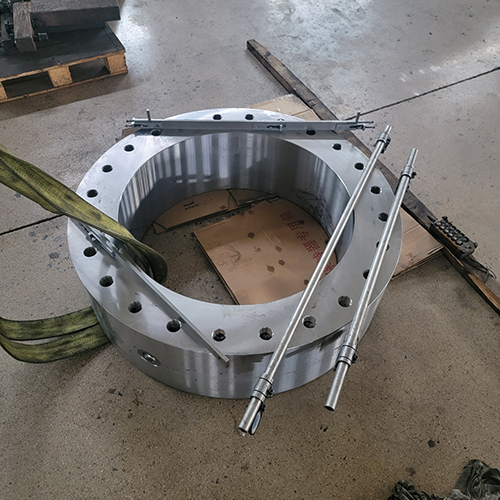
In terms of detailed description, Automated Grinding Systems are engineered to handle complex tasks such as profile grinding, cylindrical grinding, and internal grinding. These systems can be programmed to follow intricate paths and maintain tight tolerances, making them ideal for applications that require high repeatability. Tool Grinding Solutions incorporate specialized fixtures and grinding wheels tailored for different types of cutting tools, including end mills, drills, and reamers. Surface Grinding Machines utilize rotating abrasive discs to remove material from workpieces, resulting in a fine surface finish that meets industry standards.
These grinding technologies find extensive use in various industries, including aerospace, automotive, medical device manufacturing, and electronics. In aerospace, they are used to machine critical components that demand extreme precision and reliability. In the automotive sector, they contribute to the production of engine parts, transmission components, and other high-performance elements. Medical device manufacturers rely on these systems to produce instruments and implants with exact specifications. Electronics companies use them to process delicate materials and achieve ultra-smooth surfaces required for advanced circuitry and components.
User experiences highlight the effectiveness and versatility of these grinding systems. Many users report significant improvements in productivity, reduced downtime, and enhanced product quality after implementing these solutions. The ease of operation, combined with minimal maintenance requirements, makes them a preferred choice for both small-scale workshops and large industrial facilities. Furthermore, the ability to customize settings and adapt to different materials adds to their appeal and long-term value.
Common questions often revolve around the selection process, installation requirements, and maintenance procedures. Choosing the right system depends on factors such as the type of material being processed, the desired level of precision, and the available space within the facility. Installation typically involves setting up the machine, connecting power sources, and calibrating the system for optimal performance. Regular maintenance, including cleaning, lubrication, and inspection of key components, is essential to ensure continued efficiency and prevent unexpected failures. Users also inquire about the availability of technical support, training programs, and spare parts, which are crucial for maintaining the system over its lifespan.
Similar Video Recommendation


If you are interested in the product, contact Bossgoovideo.com for more information
- *To:
- Dalian Redmay bearing import & Export Co., Ltd.
- *Message:
-
Submit
Main Product:
bearing,
thrust bearing ,
spherical roller bearing,
railway bearing,
cylindrical roller bearing,
Mechanical processing