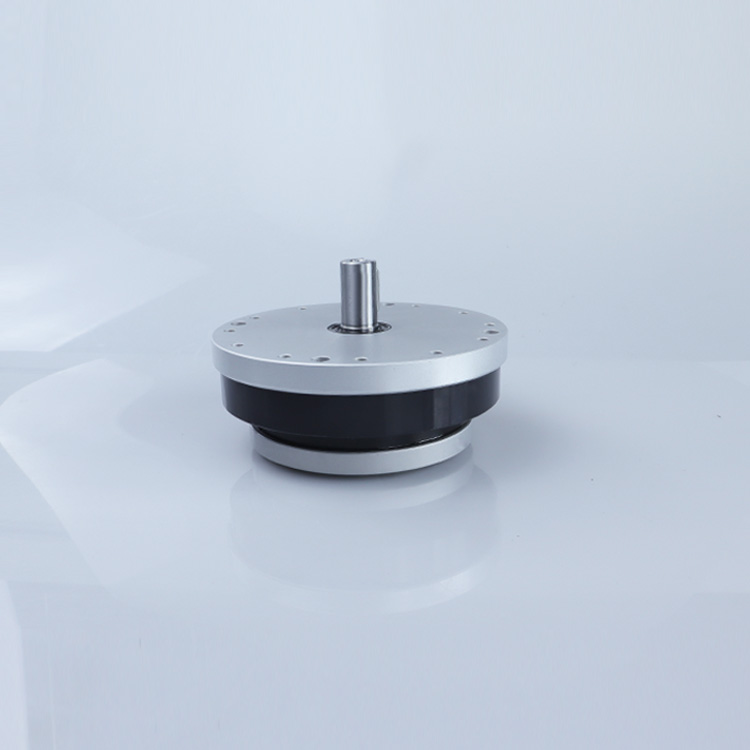
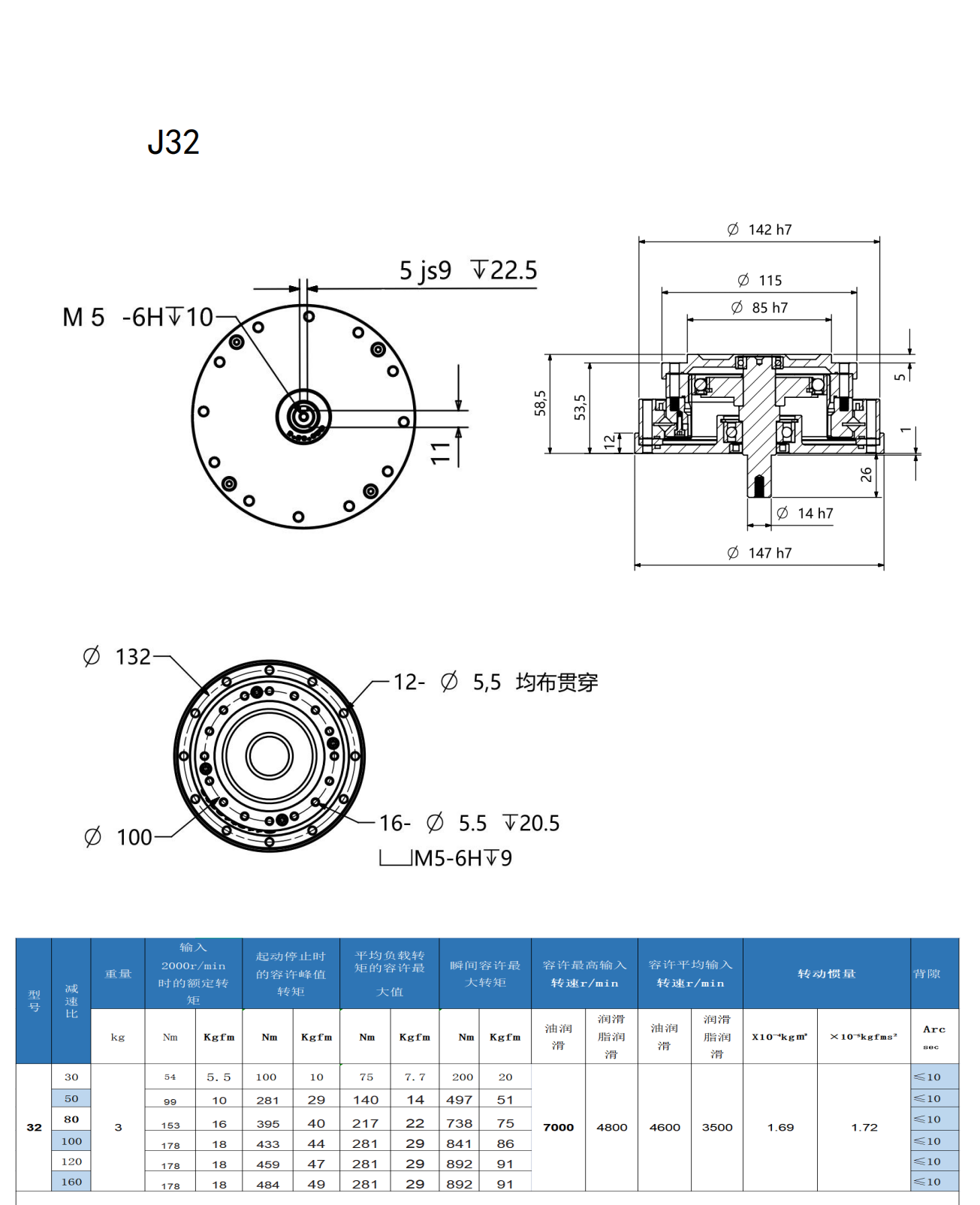
Harmonic Reducer Uses Industrial Robots and Engraving Machines for Precision Engineering The harmonic reducer is an essential component in modern industrial robotics and engraving machines, offering unparalleled precision, reliability, and efficiency. Designed to meet the demanding requirements of high-accuracy applications, this advanced mechanical device plays a crucial role in enhancing the performance of robotic systems and engraving equipment. Whether used in automated manufacturing lines or intricate engraving operations, the harmonic reducer ensures smooth and accurate motion control, making it a vital element in today’s industrial landscape. Key Features This harmonic reducer is engineered with cutting-edge technology to deliver exceptional torque transmission, minimal backlash, and high rotational accuracy. Its compact design allows for easy integration into various machinery, while its durable construction ensures long-term performance under heavy-duty conditions. The reducer features a unique wave gear mechanism that enables precise movement without the need for complex gear trains. This makes it ideal for applications where space is limited but precision is critical. Additionally, the harmonic reducer is known for its quiet operation, which is particularly beneficial in environments where noise levels must be minimized. Detailed Description The harmonic reducer operates on a principle that combines flexibility and rigidity, allowing for precise angular displacement with minimal wear and tear. Unlike traditional gear systems, which often suffer from backlash and inefficiencies, the harmonic reducer utilizes a flexible spline to transfer motion with high accuracy. This design not only improves the overall efficiency of the system but also reduces maintenance requirements over time. The reducer is available in a range of sizes and configurations, making it suitable for both small-scale and large-scale industrial applications. One of the most notable advantages of the harmonic reducer is its ability to maintain consistent performance even under varying load conditions. This makes it an ideal choice for use in industrial robots that require precise positioning and controlled movement. In engraving machines, the harmonic reducer ensures that the tool follows the intended path accurately, resulting in high-quality engravings with minimal deviation. The combination of high precision and durability makes this reducer a preferred choice for manufacturers looking to improve the efficiency and output quality of their production processes. Use Cases The harmonic reducer finds extensive application in industrial robots, where it is used to control the movement of robotic arms and joints. Its ability to provide accurate and repeatable motion makes it essential in tasks such as assembly, welding, and material handling. In engraving machines, the reducer ensures that the engraving tool moves smoothly and precisely, producing detailed and high-quality engravings on a variety of materials. Whether used in automotive manufacturing, aerospace engineering, or custom metalwork, the harmonic reducer contributes to the overall performance and reliability of the system. User Feedback Users who have integrated the harmonic reducer into their industrial robots and engraving machines have reported significant improvements in performance and efficiency. Many highlight the device’s ability to reduce downtime and maintenance costs due to its robust design and long service life. Others praise its ease of installation and compatibility with different types of machinery. One user noted that the reducer has helped them achieve higher precision in their engraving projects, leading to better customer satisfaction. Another mentioned that the reduction in vibration and noise has made their workplace more comfortable and productive. Overall, the feedback indicates that the harmonic reducer is a reliable and valuable addition to any industrial setup. Frequently Asked Questions What is a harmonic reducer and how does it work? A harmonic reducer is a type of gear mechanism that uses a flexible spline to transfer motion with high precision. It consists of three main components: a rigid circular spline, a flexible spline, and a wave generator. The wave generator causes the flexible spline to deform slightly, allowing for precise rotation without the need for traditional gears. This design results in high accuracy and minimal backlash. Why is the harmonic reducer important in industrial robots? In industrial robots, the harmonic reducer is used to control the movement of robotic joints and arms. Its high precision and low backlash make it ideal for applications that require exact positioning and smooth motion. This ensures that the robot can perform complex tasks with consistency and reliability. How does the harmonic reducer benefit engraving machines? In engraving machines, the harmonic reducer ensures that the engraving tool moves with high accuracy and stability. This results in detailed and high-quality engravings, even on complex surfaces. The reducer’s compact size and efficient design also allow for easier integration into existing machine setups. Is the harmonic reducer compatible with different types of machinery? Yes, the harmonic reducer is designed to be compatible with a wide range of industrial equipment. It can be adapted to fit various sizes and configurations, making it suitable for both small and large-scale applications. What are the advantages of using a harmonic reducer? The advantages include high precision, minimal backlash, compact design, quiet operation, and long service life. These features make it ideal for applications that require accurate and reliable motion control. How does the harmonic reducer compare to other types of reducers? Compared to traditional gear reducers, the harmonic reducer offers superior precision and lower backlash. It also requires less maintenance and is more compact, making it a preferred choice for many industrial applications. Where can I find more information about harmonic reducers? For more detailed information, it is recommended to consult technical manuals or contact manufacturers who specialize in precision motion control systems. They can provide guidance on selecting the right model based on specific application requirements.