Ultra-thin Harmonic Reducer Industrial Equipment, Ultra-thin Harmonic Reducer Medical Equipment, and Ultra-thin Harmonic Reducer Engraving Machine Equipment are advanced mechanical components designed to deliver exceptional precision and performance in a wide range of applications. These high-precision gear systems are engineered for use in demanding environments where space is limited and efficiency is critical. By integrating ultra-thin harmonic reducer technology, these devices offer unparalleled accuracy, reliability, and durability, making them ideal for industrial automation, medical machinery, and intricate engraving operations.
The Ultra-thin Harmonic Reducer Industrial Equipment is specifically developed for use in manufacturing and production lines that require precise motion control. This type of harmonic drive is known for its compact design, high torque capacity, and minimal backlash, which ensures smooth and accurate movement. It is commonly used in robotic arms, conveyor systems, and other automated tools where precision and speed are essential. The integration of this technology allows manufacturers to achieve higher productivity while maintaining consistent quality standards.
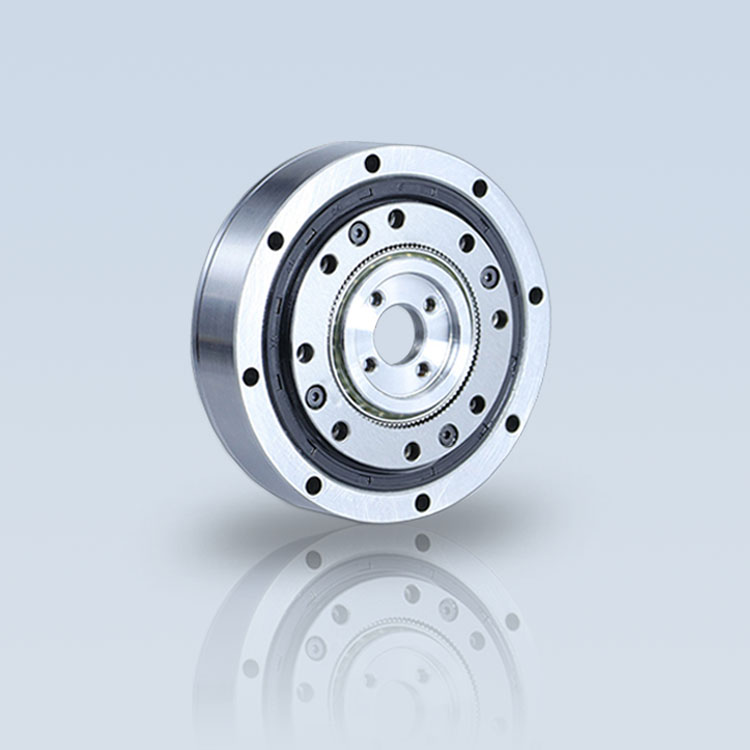
For the medical field, the Ultra-thin Harmonic Reducer Medical Equipment provides a reliable solution for surgical robots, diagnostic instruments, and other precision-based medical devices. Its ability to operate with high accuracy and low noise makes it an excellent choice for applications that require delicate and controlled movements. This type of harmonic reducer is also designed to meet strict hygiene and safety standards, ensuring compatibility with sterile environments and reducing the risk of contamination during medical procedures.
In the realm of engraving and cutting, the Ultra-thin Harmonic Reducer Engraving Machine Equipment plays a crucial role in achieving fine details and intricate designs. This device is often integrated into CNC machines, laser cutters, and other precision tools to enhance their operational efficiency. The ultra-thin design allows for greater flexibility in machine layout, while the high torque transmission ensures consistent performance even under heavy workloads. Whether it's engraving metal surfaces or creating detailed patterns on various materials, this equipment delivers outstanding results every time.
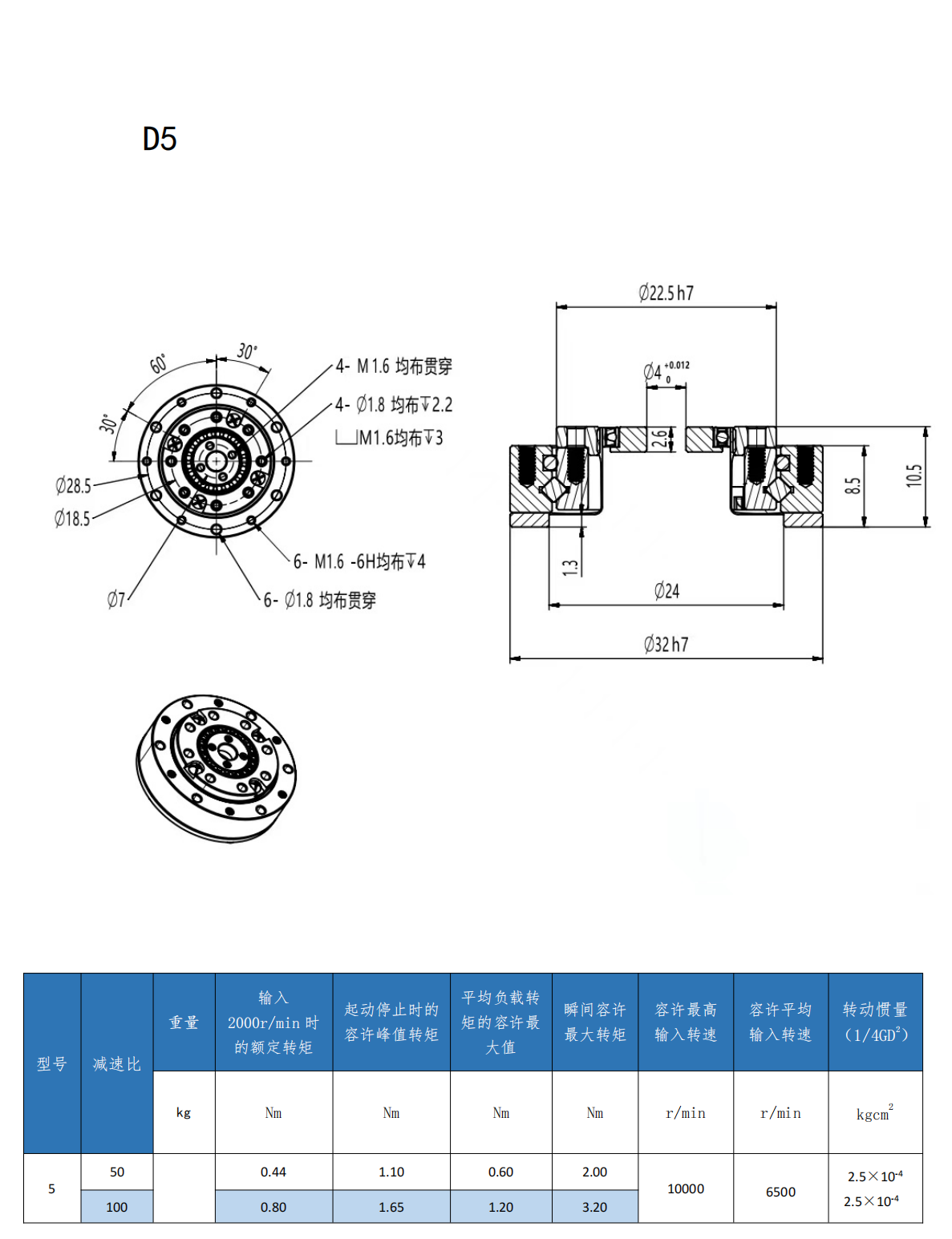
One of the key features of these ultra-thin harmonic reducers is their ability to maintain high levels of precision over extended periods of operation. Unlike traditional gear systems, which may experience wear and tear leading to reduced performance, these units are built with high-quality materials and advanced engineering techniques to ensure long-term stability. Additionally, their low inertia and high torsional stiffness make them suitable for applications that require rapid acceleration and deceleration without compromising accuracy.
Another important aspect of these devices is their versatility. They can be customized to fit specific requirements, allowing users to tailor the system to their unique needs. Whether it's adjusting the gear ratio, selecting the appropriate housing material, or integrating with existing control systems, these harmonic reducers offer a flexible solution that can adapt to different environments and applications. This level of customization ensures that users can achieve optimal performance regardless of the complexity of their operations.
The Ultra-thin Harmonic Reducer Industrial Equipment, Ultra-thin Harmonic Reducer Medical Equipment, and Ultra-thin Harmonic Reducer Engraving Machine Equipment are all designed with user-friendly maintenance in mind. Their modular construction allows for easy disassembly and replacement of components, minimizing downtime and reducing overall maintenance costs. Additionally, the use of durable materials ensures that these systems can withstand harsh conditions and continue to perform reliably over time.
These harmonic reducer systems are widely used across various industries, including but not limited to aerospace, automotive, electronics, and healthcare. In aerospace, they are employed in satellite mechanisms and flight control systems, where precision and reliability are paramount. In the automotive sector, they are integrated into assembly lines and robotic welding systems to improve efficiency and reduce errors. In electronics, they enable the production of high-precision components, such as microchips and circuit boards, by providing accurate and repeatable motion control.
Medical applications benefit greatly from the use of ultra-thin harmonic reducers due to their ability to handle delicate tasks with high precision. Surgical robots, for instance, rely on these systems to perform complex procedures with minimal human intervention, ensuring greater accuracy and reducing the risk of complications. Diagnostic equipment also benefits from this technology, as it allows for precise movement of imaging components, resulting in clearer and more accurate scans.
Engraving and cutting machines utilize ultra-thin harmonic reducers to achieve high-speed and high-accuracy operations. These systems are especially useful in industries that require detailed craftsmanship, such as jewelry making, sign engraving, and custom metal fabrication. By incorporating these reducers, engraving machines can produce intricate designs with minimal effort, improving both productivity and product quality.
Users who have implemented these ultra-thin harmonic reducer systems report significant improvements in their operations. Many note that the precision and reliability of these components have led to fewer errors, increased output, and improved overall efficiency. Some also highlight the ease of integration with existing machinery, which has helped them streamline their production processes without requiring major overhauls.
Despite their advanced capabilities, these systems are designed to be compatible with a wide range of control systems and software platforms. This interoperability ensures that users can seamlessly integrate them into their current workflows without facing compatibility issues. Furthermore, their compact size makes them ideal for installations where space is limited, offering a practical solution without sacrificing performance.
When considering the purchase of an ultra-thin harmonic reducer, it is important to evaluate the specific needs of your application. Factors such as required torque, speed, and environmental conditions should be taken into account to ensure that the chosen system meets all necessary specifications. Consulting with experienced engineers or suppliers can help you select the most suitable option for your particular use case.
Overall, the Ultra-thin Harmonic Reducer Industrial Equipment, Ultra-thin Harmonic Reducer Medical Equipment, and Ultra-thin Harmonic Reducer Engraving Machine Equipment represent a significant advancement in precision engineering. Their combination of compact design, high performance, and reliability makes them an essential component in modern manufacturing, medical, and engraving applications. Whether you are looking to enhance the efficiency of your production line, improve the accuracy of your medical devices, or elevate the quality of your engraving work, these systems offer a versatile and powerful solution.
Common questions about these ultra-thin harmonic reducer systems include inquiries about their maintenance requirements, installation process, and compatibility with different types of machinery. Most users find that these systems are relatively straightforward to install and maintain, especially when following the manufacturer's guidelines. Regular lubrication and periodic inspections are typically recommended to ensure continued performance and longevity.
Another frequently asked question is about the expected lifespan of these devices. While the exact duration can vary depending on usage conditions, many users report that these systems can last for several years with proper care and maintenance. The use of high-quality materials and advanced manufacturing techniques contributes to their durability and resistance to wear and tear.
Some users also ask about the cost-effectiveness of these systems. Although the initial investment may be higher compared to traditional gear solutions, the long-term benefits—such as reduced maintenance, increased efficiency, and improved product quality—often justify the expense. Additionally, the ability to customize these systems to suit specific applications can further enhance their value and return on investment.


