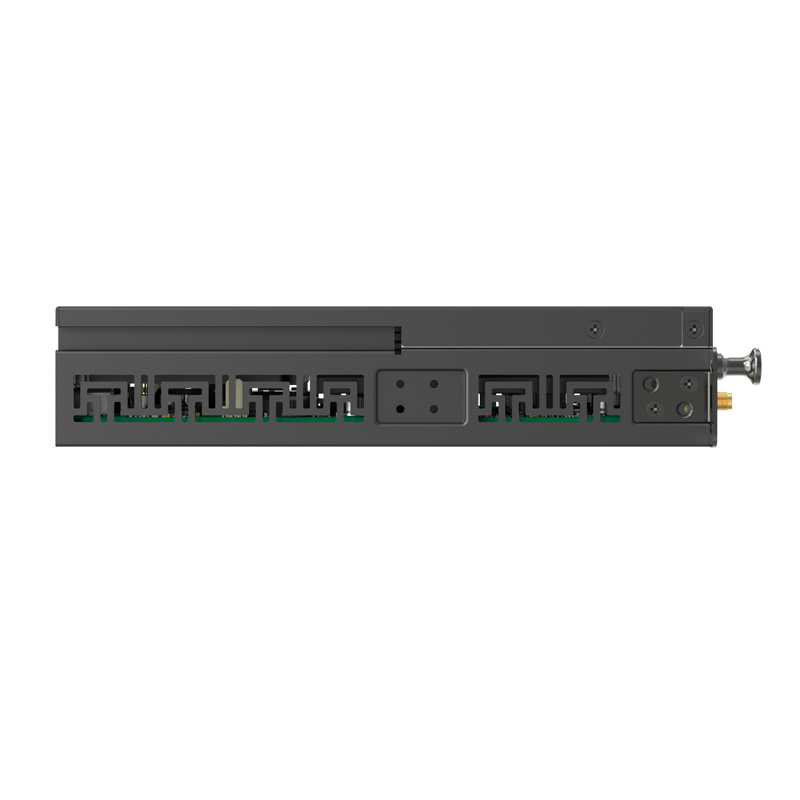
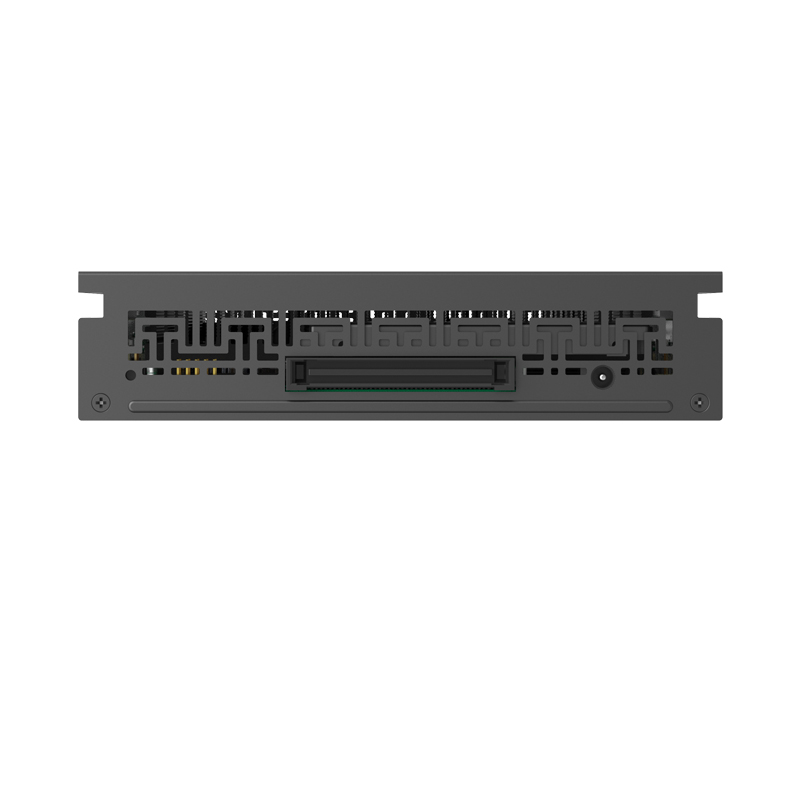
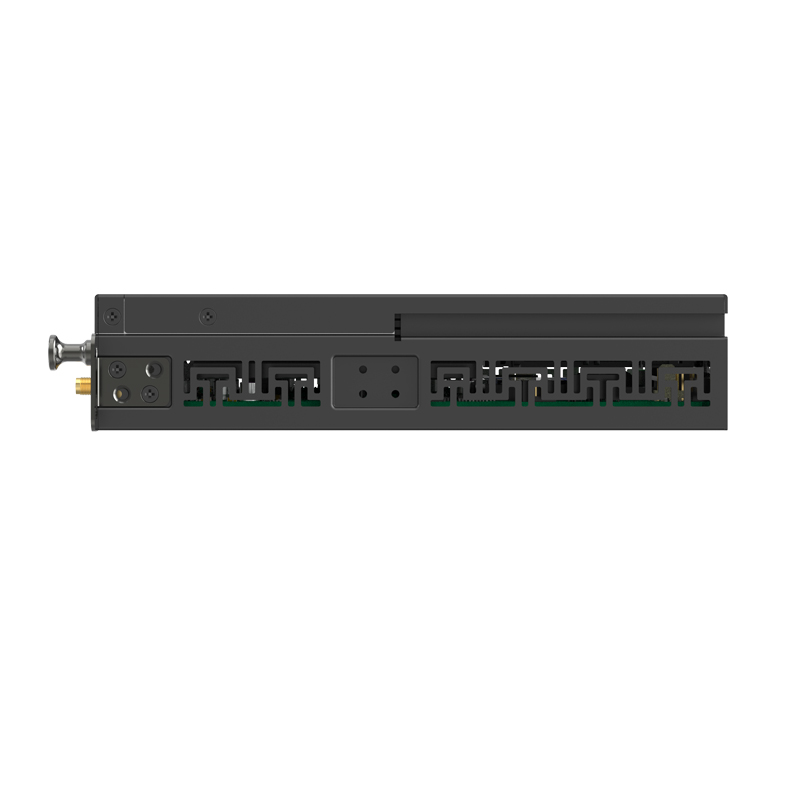
OPS computer: defining the future standard of office productivity
1. Heterogeneous computing architecture drives efficient office
Equipped with Intel's 13th generation Core i5/i7 vPro processor (optional AMD Ryzen PRO series), integrated Intel UHD/ARC professional graphics card, L3 cache increased to 24MB, and multi-threaded performance increased by 40% compared with the previous generation. It comes standard with 512GB PCIe 4.0 NVMe SSD (sequential read and write speed of 7000MB/s) and 16GB DDR4 3200MHz memory, supporting dual-channel expansion to 64GB, and can easily handle complex tasks such as Excel million-level data calculations, PS multi-layer rendering and 4K video editing.
2. Modular architecture enables flexible expansion
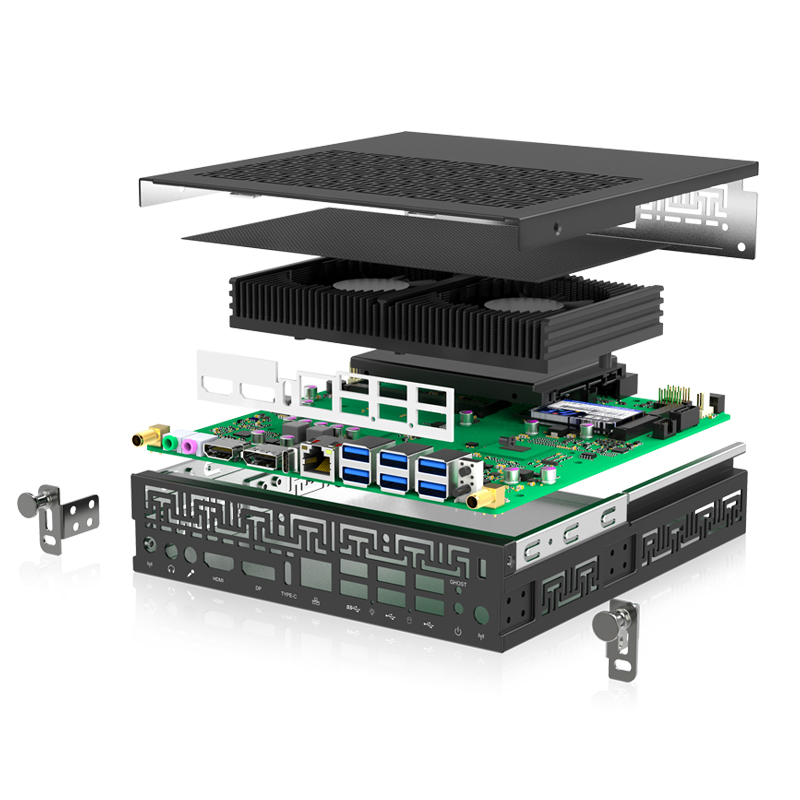
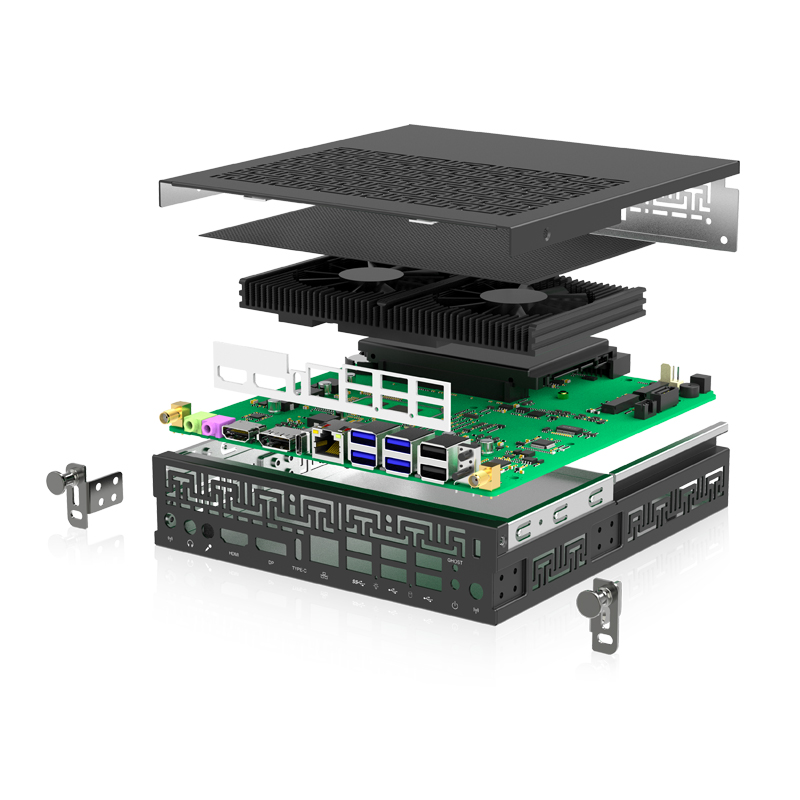
Following the VESA OPS-C standard interface design, the computing module and display device are decoupled and hot-swappable:
Flexible hardware configuration: CPU/graphics card/storage module can be upgraded on demand, such as upgrading from i5-1340P to i7-1370P, or adding NVIDIA RTX A2000 professional graphics card, to adapt to CAD modeling, data analysis and other scene iteration requirements;
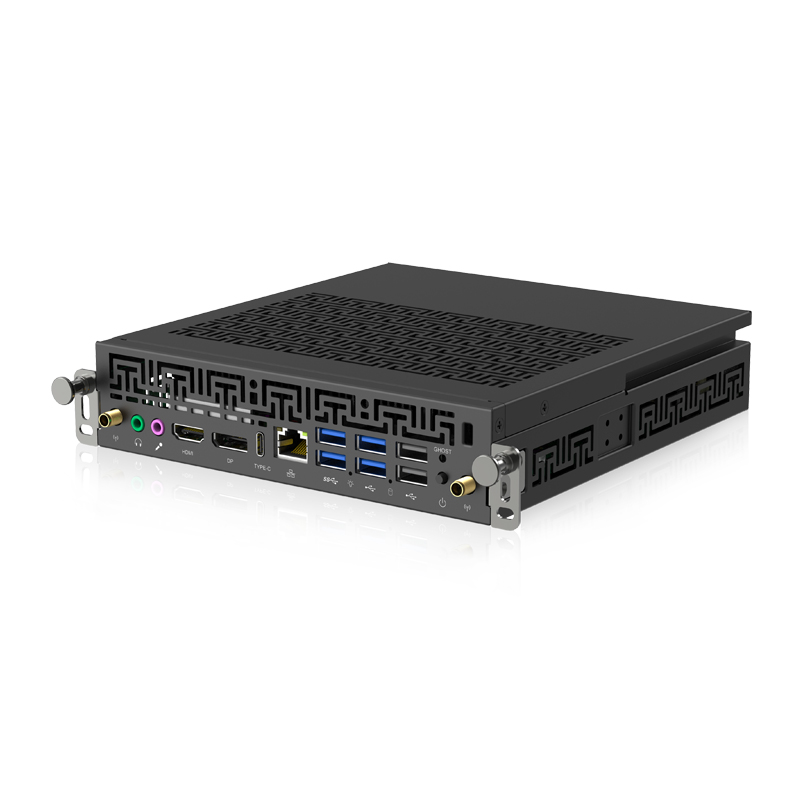
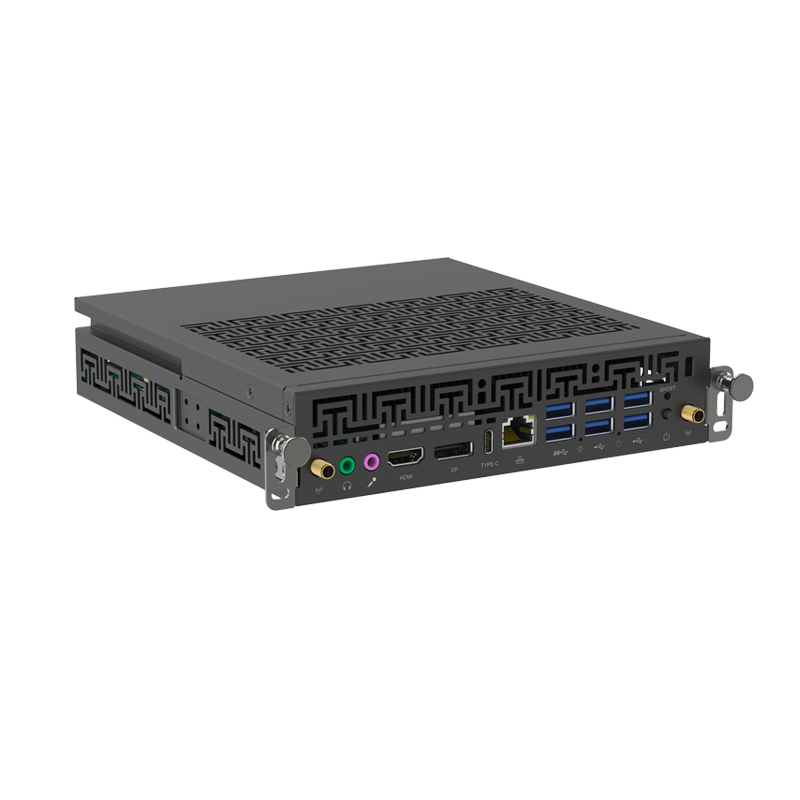
Interface richness: 2×USB 3.2 Gen2+HDMI 2.0 in the front, 4×USB 2.0+DP 1.4+2.5G network ports in the rear, support external 8K display and multi-device linkage, meet the multi-screen layout requirements of video conferencing.
3. Intelligent operation and security protection system
System health management: built-in Intel Active Management Technology (AMT), supports remote KVM control, hardware fault warning (such as temperature threshold alarm, hard disk S.M.A.R.T. monitoring), IT operation and maintenance efficiency increased by 50%;
Data security architecture: standard TPM 2.0 chip, supports Windows Hello Enterprise Edition, BitLocker full disk encryption and firmware-level malware protection, passed FIPS 140-2 Level 2 security certification, and meets the compliance requirements of the financial/government industry.
4. Human-computer interaction and scene adaptation optimization
Multimodal interaction: supports 10-point capacitive touch (response time <10ms) and stylus pressure input (4096 levels), and cooperates with Windows Ink workspace to achieve efficient operations such as annotation and drawing;
Intelligent collaboration design: integrated dual-array noise reduction microphone (pickup distance up to 5 meters) and 4K wide-angle camera (supports automatic white balance/face recognition), and cooperates with Teams/Zoom and other software to achieve natural interaction in remote meetings;
Silent heat dissipation solution: adopts copper tube direct touch + turbo fan combination, dynamically adjusts the speed through intelligent temperature control algorithm, and the full-load operation noise is ≤35dB, which is suitable for quiet office environment.
5. Industry scenario solutions
Financial transaction terminal:
Supports dual-screen 4K display (main screen transaction + secondary screen monitoring), and realizes hardware encryption of transaction data through PCIe expansion encryption card to meet the low latency requirements of high-frequency transactions.
Design office scene:
Optional NVIDIA RTX A3000 graphics card, supports real-time rendering of AutoCAD/SketchUp, and can be used with the OPS docking station to achieve three-screen output, improving multi-task design efficiency.
Remote collaborative office:
Built-in Wi-Fi 6E (802.11ax) and Bluetooth 5.2, support VPN one-click connection and synchronization with the enterprise cloud disk, and achieve real-time sharing of distributed team files.
6. Sustainable office design
Green energy efficiency: Passed 80 PLUS Bronze certification, typical load power consumption <80W, 30% energy saving compared to traditional desktop computers;
Long life cycle support: Hardware driver supports 5-year version updates, and the operating system can be upgraded to Windows 11 LTSC, reducing the cost of enterprise IT asset updates.
With standardized architecture and modular design, OPS computers upgrade the fixed configuration mode of traditional office equipment to an evolvable productivity platform. Through the deep integration of computing power elasticity, intelligent management and security systems, it redefines the efficiency benchmark of future office and becomes the core hardware carrier of enterprise digital transformation.