
Multilayer co-extruded infusion film
10 month ago
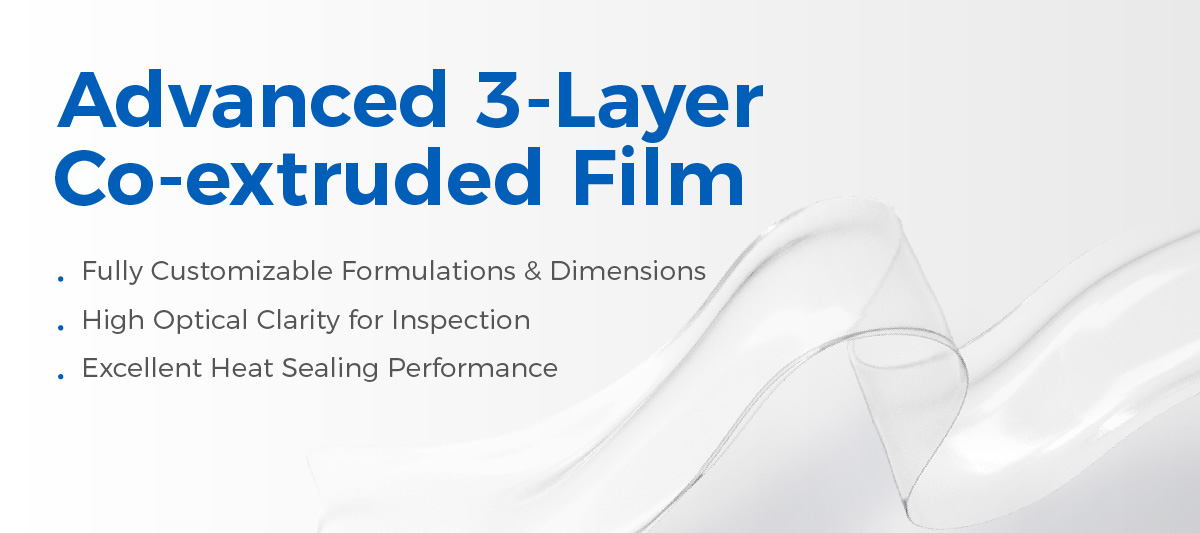
High Quality Three Layer Co-extruded Film
Sourcing the right material for infusion bags leaves no room for error. That is why our three-layer co-extruded film is strictly engineered for mission-critical medical applications. Instead of relying on a single layer, this structure seamlessly merges the strengths of multiple polymers. The result is a highly durable film that locks out external contaminants while offering the flexibility needed to prevent transit damage. From basic intravenous fluids to sensitive liquid medications, it provides pharmaceutical manufacturers with a totally secure and sterile transportation environment.
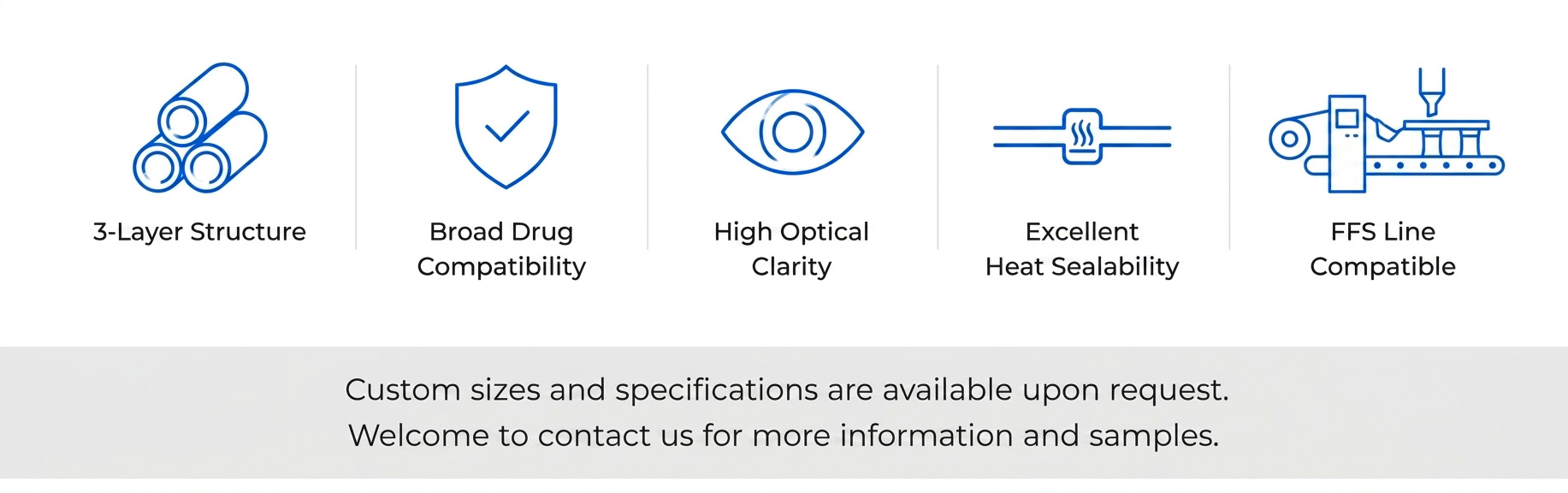
Let’s rethink standard single-layer plastics. Upgrading to a three-layer structure is actually one of the smartest, most cost-effective moves a manufacturer can make. Because of how it’s built, the material easily fights off tears, accidental punctures, and harsh chemical reactions. Out on the hospital floor, that glass-like transparency is a massive help—nurses can instantly check liquid levels or spot particles. And back on your factory floor? The film’s ultra-smooth finish actively blocks contaminants while gliding effortlessly through high-speed automated packaging machines.
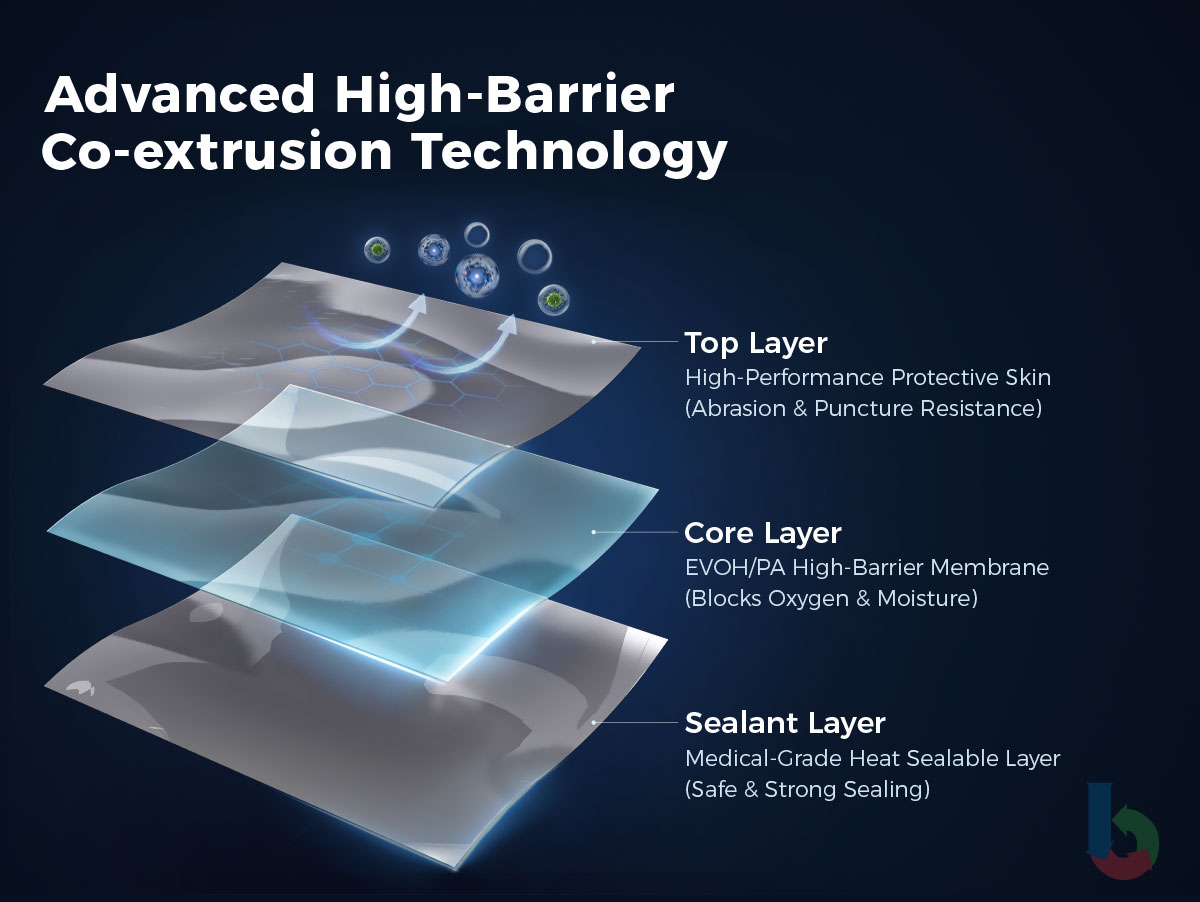
To stop gas permeation and moisture loss, we engineered a specific three-layer structure. It physically traps the pharmaceutical formula inside, blocking out oxygen and water vapor. You can put it through typical medical sterilization, and the material won’t break down or lose its shape. When the film hits the sealing die, the inner polymer layer melts evenly. You don’t end up with weak spots. Instead, it forms a tight, heavy-duty weld that holds up even if the bags get handled roughly during transport.
If your bag-making machines are running 24/7, you simply cannot afford thickness variations. We keep our extrusion lines calibrated to extremely tight tolerances so that roll number one matches roll number one thousand. Also, not every drug project needs the exact same specs. Lots of clients ask us to tweak the dimensions. Whether you need a unique micron thickness, custom slit width, or a special UV-blocking tint for sensitive liquids, we just adjust the parameters to fit your actual packaging equipment.
A lot of pharmaceutical factories use this material for more than just standard saline. People buy it for blood collection bags, critical IV fluids, and long-term clinical storage. The main reason is shelf life. The film keeps sensitive biological solutions stable over long periods by preventing outside environmental changes from getting in. On top of that, machine operators actually like working with it. It feeds easily through high-speed automated bag lines without jamming, and nurses get a tough, reliable bag that won’t leak under pressure.
We get a lot of feedback from the hospitals and drug manufacturers using this material. The main thing they tell us is that it simply doesn’t fail on them. In the real world, a burst or leaking IV bag can be a nightmare for a nurse, but this three-layer structure holds incredibly strong. Because the material is tough enough to survive rough handling on the ward, the medical staff can work a lot faster without worrying about accidental spills. On top of that, the film stays crystal clear day after day. This makes a huge difference at the bedside because caregivers can immediately check the liquid level and double-check exactly what medication is hanging on the IV pole.
If you are looking to switch to a new three-layer film, the supplier you choose really makes all the difference. You need a partner who delivers identical specs on every single pallet and easily hands over the necessary global medical documentation upfront. Before any major production run, the raw material obviously has to prove itself against real-world biological formulas. Because we engineered this film specifically for high-stress pharmaceutical environments, it consistently breezes right through those crucial compatibility checks. We also take the guesswork out of warehouse handling. By the time a shipment reaches your loading dock, the rolls are packed so thoroughly that your team doesn’t have to stress about strict storage environments. They stay completely intact and ready to run the second you need them.
Ultimately, finding the right film for IV and infusion bags comes down to striking a very practical balance. You need a material that runs flawlessly on your high-speed equipment, but it also has to make absolute financial sense for your purchasing department. That is exactly why so many medical factories are actively making the switch to this three-layer structure. It completely removes the traditional compromise between extreme physical toughness and budget control. From massive pharmaceutical plants pushing out millions of units, all the way down to the nurses handling the final IV drops, this packaging simply performs. It finally takes the daily guesswork out of medical liquid containment.
Q: What exactly is the biggest advantage of switching to this three-layer film?
A: Honestly, it comes down to survivability and clarity. The multi-layer build acts like a physical vault, locking out oxygen so the drug inside stays totally stable. On the factory floor, the material handles intense medical sterilization without warping or losing its strength. Plus, because the plastic remains aggressively clear, clinical staff never have to struggle to check liquid levels at the patient’s bedside. And once your machines heat-seal the edges, that weld is practically indestructible.
Q: Can we run this flexible material for any type of medical fluid?
A: Pretty much, yes. Pharmaceutical plants currently use it for everything from basic daily saline to highly sensitive medications, and even heavy-duty blood storage. Of course, because every drug formula is completely unique, we never just push you into a blind purchase. We gladly ship out sample rolls early in the process. This way, your technical team can easily verify the chemical reactions right on your own filling lines, giving everyone absolute peace of mind before you sign off on a massive commercial order.
Q: What exactly does the three-layer structure do for the final bag?
A: Think of it as combining different strengths into one package. If you only use a single layer of plastic, you usually have to compromise somewhere. By stacking three layers, the material handles it all. It stays flexible enough for easy handling, but tough enough so the bag won’t easily break. Most importantly, it creates a very reliable barrier to keep the medical liquid completely safe during storage. It simply gives you a much better and safer overall result.
Q: Will this material run well on our automated packaging lines?
A: Oh, definitely. A lot of our current clients use automated bag-making systems, and this film fits right into those setups. The main thing people worry about in production is the material jamming or sealing poorly. We just make sure our film thickness is highly consistent from roll to roll. Because the surface is smooth and uniform, it feeds easily through the machines and seals cleanly. It basically means far fewer headaches for the people running your production line.
Q: What do your customers actually make with this specific film?
A: You will see it pop up in quite a few places across the medical field. The most common use is definitely for standard IV fluid bags. Aside from that, a lot of manufacturers buy it from us to make blood bags. Basically, anytime a medical liquid needs to be packed into a pouch that stays perfectly clean and won’t easily burst, this material is a great fit. We also have several clients who use it for packaging sensitive liquid pharmaceuticals. It essentially just gives everyone peace of mind knowing the liquid inside is well protected.
Similar Video Recommendation


If you are interested in the product, contact Bossgoovideo.com for more information
- *To:
- SHIJIAZHUANG NO.4 PHARMACEUTICAL GROUP LTD
- *Message:
-
Submit
Main Product:
Large Volume Injection,
API,
Medical Packaging Materials,
Small Volume Injection,
Oral Preparation ,
Finished Pharmaceutical Products